Does Your Metabolism Slow Down When Dieting?
Yes — but not in the dramatic, permanent way the internet often implies. Your metabolism does fall as you lose weight, for reasons that are mostly logical and largely reversible. Understanding what actually changes lets you plan around it instead of fearing it.
Does your metabolism slow down when dieting?
Yes, but modestly and mostly for understandable reasons. A lighter body burns fewer calories, and a prolonged deficit triggers a small, largely reversible adaptation on top of that. It is not permanent "damage". Protein and resistance training preserve muscle and blunt the slowdown, so you keep more of your baseline metabolic rate.
- Most of the drop is simply carrying less weight.
- A smaller, reversible part is adaptive thermogenesis.
- Protein and lifting are your best defence against losing muscle.

What your metabolism is actually made of
To understand why dieting slows metabolism, it helps to break down where your daily calorie burn comes from. Most of it — often around two-thirds — is your resting metabolic rate, the energy needed just to keep you alive: heart, brain, organs, cell maintenance. A smaller portion is the thermic effect of food, the energy spent digesting what you eat. The rest is activity, split between deliberate exercise and the surprisingly large category of non-exercise movement: walking, fidgeting, standing, general daily motion. When people worry about their "metabolism slowing," they are usually picturing the resting component. In reality, dieting nudges every one of these downward, and the activity side often moves the most.
Why the number falls as you lose weight
Here is the part that gets missed: most of the decline in your metabolism during a diet is not mysterious at all. A smaller body simply requires less energy to operate and to move around. Lose 20 pounds and you have less tissue to maintain and less mass to carry up the stairs, so your daily burn genuinely drops — exactly as it should. This is a feature of getting lighter, not a sign of a broken system. It is also why the calorie intake that produced steady loss at the start eventually stops producing a deficit: your requirements moved down to meet it. Recalculating your numbers for your new weight is the ordinary, expected response.
Adaptive thermogenesis: the smaller, real effect
On top of the predictable drop from weight loss, there is a genuine additional effect called adaptive thermogenesis. During a sustained deficit, the body becomes slightly more efficient and burns a little less energy than its new size alone would predict. Several mechanisms contribute: lower food intake reduces the thermic effect of eating; hormones involved in appetite and energy regulation shift; and, importantly, people unconsciously move less — taking fewer steps, fidgeting less, moving more slowly. This reduction in spontaneous activity is one of the largest and most underappreciated pieces of the puzzle.
The crucial context is scale. Adaptive thermogenesis is a modest, real effect measured in a limited number of calories per day — not the metabolic collapse that dramatic headlines suggest. It is best understood as an ancient survival response to eating less, not a malfunction and not a punishment for dieting.
Your metabolism adapting to a smaller intake is the body doing exactly what it evolved to do. The goal is not to prevent that entirely — it is to keep as much muscle and movement as possible while it happens.
Does dieting permanently damage your metabolism?
This is the fear worth addressing head-on. For the overwhelming majority of people engaged in normal dieting, the answer is no. The slowdown you experience is largely explained by weighing less plus a temporary, reversible adaptation. When you stop dieting, return to maintenance calories, rebuild activity, and regain any muscle you may have lost, your metabolic rate recovers to what your new body size supports. The notion of lasting "metabolic damage" from a sensible fat-loss phase is overstated. Extremely aggressive, prolonged crash diets combined with muscle loss are a different and more stressful case — which is precisely the situation the strategies below are designed to help you avoid.

How to counter it: protein and resistance training
You cannot switch off adaptation, but you can blunt it and protect the biggest driver of your resting burn: muscle. Two levers do most of the work. The first is protein. Eating enough — commonly cited targets during fat loss are around 1.6 to 2.2 grams per kilogram of body weight per day — gives your body the raw material to hold on to lean tissue, carries a higher thermic effect, and keeps you fuller so the deficit is easier to sustain. The second is resistance training. Lifting sends a clear "keep this muscle" signal during a deficit, which directly protects the metabolic rate you are trying to preserve. Together, adequate protein and regular strength work are the best-supported way to lose fat while keeping the engine that burns calories.
Two supporting habits round it out. Keep daily movement and steps up deliberately, since the deficit will otherwise quietly erode them. And avoid excessively aggressive deficits: the deeper and longer you cut, the more muscle and drive you tend to lose, and the harder adaptation bites. A moderate deficit you can sustain beats an extreme one you cannot.
Do refeeds and diet breaks help?
Planned periods back at maintenance calories — whether a single higher day (a refeed) or a longer stretch of one to two weeks (a diet break) — are popular tools, and they do have value. Their strongest benefits are on adherence, hunger and energy: stepping out of a deficit periodically can restore some drive, reduce the psychological grind of a long diet, and make the whole effort more sustainable. There is some evidence they modestly help hormones and activity too. What they are not is a dramatic metabolic reset. Treat diet breaks as a legitimate way to make a long fat-loss phase more livable — and therefore more successful — rather than a magic switch that restores your metabolism overnight.
Where a supplement fits
Some ingredients — caffeine, green tea, chromium and others found in products like LipoPeak — touch energy or glucose metabolism in small ways. But none of them protect muscle or counter adaptive thermogenesis the way protein and lifting do, and none reverse the ordinary drop that comes from weighing less. Honestly, the metabolic contribution of any supplement here is minor and sits at the edges. If you use one, keep it in that role: a small accessory to protein, training, movement and sleep, judged over 8 to 12 weeks, never a substitute for the levers that actually matter.
How much slowdown is real, and how much is myth
The headline evidence for adaptive thermogenesis comes from an extreme case. The six-year follow-up of Biggest Loser contestants found that resting metabolic rate remained below what body composition alone predicted years after the competition, in people who had lost enormous amounts of weight very quickly under conditions almost nobody reproduces. It is genuine evidence that adaptation exists and can persist. It is not evidence that a moderate diet ruins your metabolism.
Most of the fall in daily burn is simply arithmetic. Resting energy expenditure tracks body size and, above all, lean mass — the analysis of anthropometric predictors of basal metabolic rate by Johnstone and colleagues illustrates how strongly body composition drives the number. A smaller body costs less to run. The part you can defend is the lean tissue, and a meta-analysis of resistance training during energy deficiency found that an energy deficit impairs gains in lean mass but not gains in strength, so training through a diet keeps making you stronger.
So the practical answer is not to fear the slowdown but to shrink it: keep the deficit moderate, keep training, and recalculate as you go. The number itself and what makes it up are broken down in resting energy expenditure and fat loss, the muscle-protection side is in why strength training beats cardio for fat loss, and when progress genuinely stops rather than merely slows, the step-by-step fix is in how to break a weight loss plateau.
Sources
Frequently asked questions
Does eating less permanently damage metabolism?
For the vast majority of people, no. Metabolism slows during a diet, but most of that is explained by carrying less weight and a temporary, reversible adaptation. When you return to maintenance calories and rebuild activity and muscle, metabolic rate largely recovers. The idea of permanent metabolic damage from normal dieting is overstated.
What is metabolic adaptation?
Metabolic adaptation, or adaptive thermogenesis, is the body burning slightly fewer calories than its new, lighter size would predict. It comes from lower calorie intake, reduced spontaneous movement, hormonal shifts and greater efficiency during a prolonged deficit. It is a normal survival response, not a malfunction, and it is a modest effect rather than a huge one.
How do I keep my metabolism up while dieting?
The two biggest levers are eating enough protein and doing resistance training, because together they preserve the muscle that supports your metabolic rate. Keeping daily activity and steps up, avoiding excessively aggressive deficits, and sleeping well also help. You cannot stop adaptation entirely, but you can blunt it and keep more of your baseline burn.
Will refeeds or diet breaks help my metabolism?
They can help, mostly with adherence and hormones rather than dramatically resetting metabolism. Planned periods at maintenance calories can ease hunger, restore energy and make a long diet more sustainable, which indirectly protects results. The evidence for large metabolic rescues is modest, so treat diet breaks as a useful tool, not a magic reset.
Related reading
- How to Break a Weight Loss Plateau
- Protein Intake for Fat Loss
- Resting Energy Expenditure, Explained
- Strength Training for Fat Loss
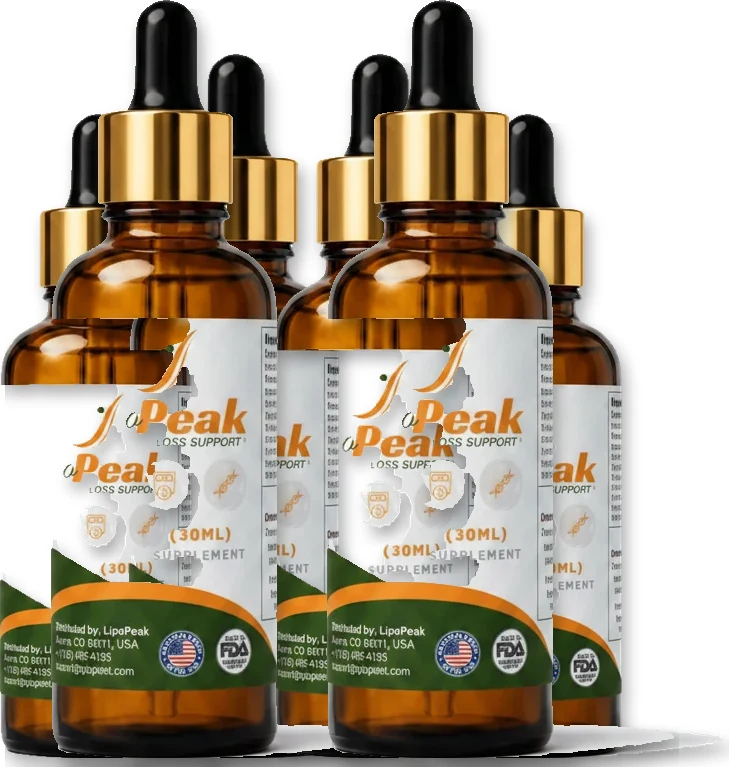
See the full LipoPeak review
The complete ingredient breakdown, the honest limitations, and today's pricing.
Get Offer