How Much Protein You Need for Fat Loss
Most people cutting calories obsess over what to remove and forget the one nutrient that decides how the whole diet feels — and how much of the weight you lose is actually fat. Protein is that nutrient, and getting it right is the difference between looking leaner and just looking smaller.
How much protein should you eat to lose fat?
For most people in a fat-loss phase, aim for roughly 0.7 to 1 gram of protein per pound of body weight each day. Higher protein preserves muscle in a calorie deficit, keeps you fuller, and burns slightly more energy during digestion. Spread it across three or four meals for the best results.
- Target about 0.7 to 1 g per lb of body weight — the higher end if you are lean or very active.
- Protein's main job in a diet is protecting muscle, not "boosting" your metabolism directly.
- No supplement replaces hitting your daily protein and calorie targets from food.
Why protein is the macronutrient that matters most in a deficit
When you eat fewer calories than you burn, your body has to make up the shortfall from stored energy. Ideally that energy comes from body fat — but the body will also break down muscle for fuel, especially when protein is low and your muscles are not being asked to work. Losing muscle is a poor trade. It makes the number on the scale drop, but it leaves you softer rather than leaner, it lowers the amount of energy you burn at rest, and it costs you the strength that makes everyday life easier.
This is where protein earns its reputation. Eating enough of it, especially alongside some form of resistance training, signals to the body that muscle is worth keeping. The result is that a larger share of the weight you lose comes from fat. Two people can lose the same fifteen pounds and look completely different at the end — and protein intake is one of the biggest reasons why.
How much protein you actually need
The practical target that comes up again and again in the research on people who are dieting and training is roughly 0.7 to 1 gram of protein per pound of body weight per day. In metric terms that is about 1.6 to 2.2 grams per kilogram. A person weighing 170 pounds would land somewhere between 120 and 170 grams a day.
Where you sit in that range depends on your situation. Lean, very active people in an aggressive deficit benefit from the top of the range, because they have less fat to lose and more muscle to protect. Someone with more body fat to lose, or who is training lightly, does perfectly well toward the lower end. If you are carrying a lot of excess weight, basing the target on a goal weight rather than current weight keeps the number sensible. None of this needs to be exact — consistency around a reasonable figure matters far more than chasing a precise gram count.
A simple rule of thumb: pick a protein target, then build your meals around it. Everything else in the diet fits around the protein, not the other way round.
The three real mechanisms behind protein and fat loss
Protein helps in three well-documented ways, and it is worth being honest about the size of each.
1. It preserves muscle. This is the big one. In a deficit, adequate protein plus training shifts the body toward burning fat and sparing lean tissue. Keeping muscle also keeps your resting energy expenditure higher than it would otherwise be, which is the genuine version of "protecting your metabolism."
2. It is the most filling macronutrient. Gram for gram and calorie for calorie, protein keeps hunger down better than carbohydrate or fat for most people. When you are eating less, appetite control is what makes the diet survivable, and protein does more of that heavy lifting than any pill.
3. It has the highest thermic effect. Your body spends energy digesting and processing food, and protein costs the most — roughly 20 to 30 percent of its calories are used up in the process, compared with far less for carbs and fat. It is a real effect, but keep it in perspective: it amounts to a modest number of extra calories a day, not a shortcut.
Spreading protein across the day
Total daily protein matters most, but distribution helps you get the most from it. The body can only use so much protein for muscle repair in one sitting, so splitting your intake across three or four meals of roughly 25 to 40 grams each is more effective than loading it all into dinner. It also happens to be the more filling way to eat, which supports adherence. A protein-rich breakfast in particular tends to blunt cravings later in the day for a lot of people.

The best protein sources when calories are tight
When you are in a deficit, the goal is the most protein for the fewest calories. That points you toward lean, high-protein foods: chicken and turkey breast, white fish, egg whites, Greek yoghurt, cottage cheese, and lean cuts of red meat. Plant eaters do well with tofu, tempeh, edamame, lentils and seitan, though most plant sources come with more carbohydrate, so portions need a little more attention.
A plain whey or plant protein powder is a genuinely useful tool here — not because powder is magic, but because it delivers 20 to 25 grams of protein for very few calories and almost no effort, which makes hitting your target realistic on busy days. Think of it as convenient food, not as a supplement in the marketing sense.
Where a product like LipoPeak fits in
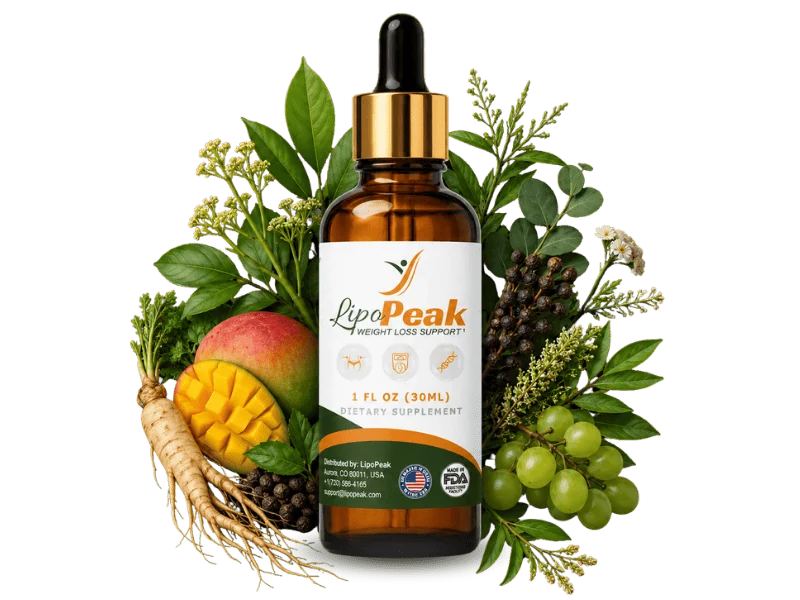
It is worth being clear about what a weight-loss supplement can and cannot do here. A formula like LipoPeak includes ingredients such as an L-carnitine and L-tyrosine complex, green tea and cayenne. Whatever small supporting role those ingredients play, none of them adds a single gram of protein to your day, and none removes the need for a calorie deficit. If you are eating too little protein, a supplement will not fix the muscle loss or the constant hunger that follows.
The honest framing is food first, everything else second. Nail your protein and your deficit, add resistance training, and if you then want a supplement as a minor nudge, buy it with realistic expectations and give it eight to twelve weeks. This is also why protein is central to breaking a stall: when progress slows, tightening up protein intake and training usually does more than any product on the shelf, because it protects the muscle that keeps your metabolism from sliding.
What the protein trials actually demonstrated
This is one of the few areas in weight-loss nutrition with a clean experiment behind it. In a randomised trial of higher versus lower protein during an energy deficit combined with intense exercise, the higher-protein group gained more lean mass and lost more fat mass over the same deficit — the same calories, a different body-composition outcome. The position stand International Society of Sports Nutrition Position Stand: protein and exercise sets out the intake ranges and distribution advice that follow from that body of work.
The mechanism is not mysterious. The role of protein in weight loss and maintenance describes the two effects that matter: protein increases satiety per calorie, so a higher-protein deficit is easier to hold, and it helps preserve lean tissue, so more of the weight you lose is fat. What the evidence does not support is the idea that protein burns fat, or that a shake creates a deficit. Above the useful range, extra protein is simply extra calories.
Get the intake right and the rest of the plan works better. Protein and lifting are a package, which is the argument in why strength training beats cardio for fat loss; together they are also the main defence against the drop in daily burn described in does your metabolism slow down when dieting. And when progress stalls, raising protein toward the top of the range is one of the first moves in how to break a weight loss plateau.
The bottom line
Protein is the least glamorous and most reliable lever in fat loss. Aim for roughly 0.7 to 1 gram per pound of body weight, spread it across the day, lean on high-protein and lower-calorie foods, and let everything else — including any supplement — play a supporting role. Get that right and more of the weight you lose will be fat, the diet will feel easier, and the results will be the kind you actually want to keep.
Frequently asked questions
How much protein should I eat to lose fat?
Most evidence points to about 0.7 to 1 gram of protein per pound of body weight per day during fat loss. Someone who weighs 170 pounds would aim for roughly 120 to 170 grams daily. The higher end helps if you are lean, lifting weights, or in an aggressive deficit.
Does high protein really help you lose weight?
Protein does not burn fat on its own, but it makes a calorie deficit easier to sustain. It is the most filling macronutrient, it protects muscle so more of the weight you lose is fat, and it has the highest thermic effect, meaning your body uses more energy digesting it.
Can I eat too much protein when dieting?
For healthy people, moderately high protein is safe and well tolerated. Extremely high intakes offer no extra fat-loss benefit and can crowd out fibre and other nutrients. If you have kidney disease or another medical condition, ask your doctor before making large changes to your protein intake.
What are the best protein sources for fat loss?
Lean, high-protein, lower-calorie foods work best in a deficit: chicken breast, turkey, white fish, egg whites, Greek yoghurt, cottage cheese, tofu, tempeh, lentils, and a simple whey or plant protein powder. These give you the most protein for the fewest calories, which matters when calories are limited.
Sources
- NIH Office of Dietary Supplements — Dietary Supplements for Weight Loss
- Jäger R, et al. International Society of Sports Nutrition Position Stand: protein and exercise. J Int Soc Sports Nutr. 2017. PMID 28642676
- Longland TM, et al. Higher compared with lower dietary protein during an energy deficit combined with intense exercise promotes greater lean mass gain and fat mass loss: a randomized trial. Am J Clin Nutr. 2016. PMID 26817506
- USDA MyPlate — Protein Foods
Related reading
Thinking about trying LipoPeak?
See the full ingredient breakdown and today's pricing before you decide — food and protein first, supplement second.
Get Offer