AMPK: The Metabolic Switch for Fat Burning
AMPK is often called the cell's "master switch" for energy. It is a genuinely important piece of metabolism, and both exercise and compounds like berberine can flip it on. Here is how it works in plain language — and why "activating AMPK" is a helpful nudge, not a shortcut past the basics.
Published 9 August 2026 · By the LipoPeak Editorial Team · Reviewed against the primary nutrition literature · General information, not medical advice.
What does AMPK do for weight loss?
AMPK is a cellular energy sensor. When activated, it tips cells toward burning fuel instead of storing it, boosts glucose uptake and fat oxidation, and improves insulin sensitivity. That creates a metabolic setting more favorable to fat use — but AMPK does not build a calorie deficit for you, which is still what drives real fat loss.
- AMPK senses low cellular energy and switches on fuel-burning.
- Exercise and a calorie deficit are its strongest natural activators.
- Berberine activates it too, but effects are modest versus drugs.

What AMPK actually is
AMPK stands for AMP-activated protein kinase. Strip away the biochemistry and it is best understood as a fuel gauge inside your cells. When a cell uses energy, it burns ATP (the molecule that powers cellular work) and leaves behind AMP and ADP. When the ratio tips toward those "spent" molecules — a signal that energy is running low — AMPK switches on. Once active, it behaves like a manager whose job is to restore the energy balance: it turns up the pathways that generate energy and turns down the ones that consume it on building and storing.
In practical metabolic terms, activated AMPK encourages cells to take in glucose from the blood, ramps up the burning of fatty acids for fuel, and dials back the manufacture of new fat and cholesterol. It also nudges cells to build more mitochondria, the little power plants where fuel is burned. That is why AMPK gets described as a master switch: it sits at a hub that touches glucose handling, fat metabolism and energy production all at once.
Why AMPK matters for insulin sensitivity
One of the most useful effects of AMPK activation is on insulin sensitivity. When AMPK helps muscle cells pull glucose out of the blood — partly through a route that does not even require insulin — it eases the burden on the whole glucose-regulating system. Over time, better insulin sensitivity means the body needs less insulin to manage blood sugar, which is generally favorable for metabolic health and can make body-fat regulation a little easier.
Think of AMPK as improving the terms of the deal your cells strike with the fuel you eat — not as a machine that removes fuel you have already stored.
How to activate AMPK naturally
The single most powerful and reliable AMPK activator is not a supplement — it is exercise. Muscle contraction rapidly consumes ATP, which is exactly the low-energy signal AMPK is built to detect. Both endurance work and resistance training switch it on, and the effect is one of the reasons regular movement improves insulin sensitivity so consistently. Fasting and a calorie deficit activate AMPK too, because both lower cellular energy availability. In other words, the two things that most reliably flip this switch are the same two things that drive weight loss anyway.
Berberine and other compounds
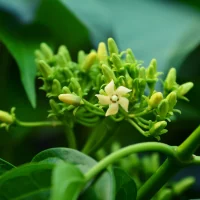
Among supplements, berberine is the standout. Derived from several plants, it is one of the best-studied natural AMPK activators, and this is widely thought to be a major reason it can improve insulin sensitivity and blood sugar control in trials. Green tea catechins and some other plant compounds also appear to influence AMPK, though generally less potently. This is part of the mechanistic rationale behind ingredients that show up in metabolism formulas, LipoPeak included.
The important word is modest. Berberine's benefits in human studies are real but smaller and slower than prescription options that work on related pathways. They depend on taking it consistently, usually in divided doses with meals, and the effect is a supporting one. It is a nudge on a metabolic dial, not a lever that empties your fat stores.
Realistic expectations versus pharmaceuticals
It is worth being clear-eyed here, because AMPK marketing sometimes borrows the reputation of powerful metabolic drugs. Some prescription medicines do act on AMPK-related pathways, but they do so under medical supervision, at controlled doses, with monitoring, and for defined conditions. A plant compound in a supplement activating the same enzyme is not the same thing as a regulated drug producing a large, reliable clinical effect. The direction of the effect can be similar; the magnitude and the certainty are not.
So the honest framing is this: natural AMPK activation can genuinely improve the metabolic backdrop — better insulin sensitivity, more fat oxidation, a cell environment that favors burning over storing. What it does not do is override energy balance. If more fuel is coming in than going out, activated AMPK will not make the surplus disappear.
How to put this to work
If AMPK is a switch worth flipping, the practical question is how to flip it in the ways that actually pay off. The highest-leverage moves are the free ones. Build regular exercise into your week, mixing some brisk activity that raises your heart rate with a couple of resistance sessions; between them they switch AMPK on reliably and improve insulin sensitivity over time. Keep your everyday movement up too, since even walking contributes. Eating in a moderate calorie deficit does double duty, because the lower energy availability that drives weight loss is also part of what activates AMPK in the first place.
Where does a supplement fit? Sensibly, as a small addition once the foundation is there. If you and a healthcare professional decide berberine is appropriate, consistency and timing matter more than chasing a big dose — it is typically taken in divided amounts with meals to limit digestive upset. Treat any resulting improvement as a modest tailwind on top of movement and diet, not as the reason the numbers move.
Safety and sensible use
AMPK activation through exercise, fasting and a good diet is not just safe, it is one of the clearest goods in health. For supplements the picture needs more care. Berberine commonly causes digestive side effects, long-term human safety data is more limited than for lifestyle activation, and it can interact with a range of medications, particularly those affecting blood sugar. Anyone on prescription medicine, pregnant or nursing, or managing a health condition should talk to a healthcare professional before starting it.
What the AMPK research actually measured
Almost everything solid that is known about AMPK comes from mechanism research rather than weight-loss trials. The 2023 review New insights into activation and function of the AMPK in Nature Reviews Molecular Cell Biology sets out how the enzyme is switched on by energy stress and how it then coordinates glucose uptake, fat oxidation and the building of new mitochondria. That is a description of a control system, not a measurement of pounds lost, and the distinction matters when a label sells “AMPK activation” as though it were a result.
The supplement side of the question has been pooled. A dose-response meta-analysis of randomised trials, Xiong and colleagues in Complementary Therapies in Clinical Practice, reported small average reductions in obesity indices such as body weight and BMI with berberine supplementation, and a 2025 overview, Berberine as a multi-target therapeutic agent for obesity, catalogues berberine's multi-target anti-obesity mechanisms and flags the practical obstacle sitting under all of them: oral bioavailability below 1 per cent. Small, real and hard to deliver is the fair summary.
What none of this evidence shows is that flipping the switch substitutes for the deficit. If you want the two most-marketed AMPK-adjacent ingredients compared honestly, our look at berberine versus green tea for weight loss puts the numbers side by side. The downstream benefit people actually notice — steadier blood sugar and less post-meal slump — is covered in the guide to insulin sensitivity and weight management, and if you arrived here because of the appetite-hormone conversation, the realistic ceiling on natural GLP-1 support is worth reading before you spend anything.
The honest bottom line
AMPK is a real and important metabolic switch, and it is fair to say exercise, a calorie deficit and compounds like berberine can flip it on. Improved insulin sensitivity and fat oxidation are worthwhile. But "activates AMPK" is a mechanism, not a promise of weight loss. Use the strongest natural activators — movement and eating in a moderate deficit — as the foundation, treat a supplement like LipoPeak as a small add-on, and give any plan 8 to 12 weeks of consistency before judging what the switch is really doing for you.
Sources
- NIDDK — Insulin, Blood Sugar and Metabolism
- NIH NCCIH — Berberine and Weight Loss: What You Need To Know
- Steinberg GR, Hardie DG. New insights into activation and function of the AMPK. Nat Rev Mol Cell Biol. 2023. PMID 36316383
- Kong Y, et al. Berberine as a multi-target therapeutic agent for obesity: from pharmacological mechanisms to clinical evidence. Eur J Med Res. 2025. PMID 40506769
Frequently asked questions
What does AMPK do for weight loss?
AMPK is an enzyme that acts as a cellular energy sensor. When it is activated, it shifts cells toward burning fuel rather than storing it, encourages glucose uptake and fat oxidation, and improves how the body responds to insulin. In the context of weight management, that means AMPK supports a metabolic environment more favorable to fat use, though it does not create a calorie deficit by itself.
How do you activate AMPK naturally?
The most reliable natural activator is exercise, because muscle contraction lowers cellular energy and switches AMPK on. Fasting and a calorie deficit activate it too, since both drop cellular energy levels. Certain plant compounds, most notably berberine, and to a lesser extent green tea catechins, also stimulate AMPK. Movement and eating in a deficit are by far the strongest levers.
Does berberine activate AMPK?
Yes. Berberine is one of the best-studied natural AMPK activators, and this is thought to be a main reason it can improve insulin sensitivity and blood sugar control in research. The effects are real but more modest than prescription drugs, they depend on consistent dosing, and berberine can interact with medications, so it is worth discussing with a healthcare professional first.
Is AMPK activation safe long term?
AMPK activation from exercise, fasting and a healthy diet is not only safe but beneficial over the long term. For supplements such as berberine, long-term human safety data is more limited, side effects like digestive upset are common, and interactions with medications are possible. It is reasonable for many adults short to medium term, but check with a healthcare professional, especially if you take other drugs.
See the full LipoPeak review
The complete ingredient breakdown, the honest limitations, and today's pricing.
Get Offer