Berberine vs Green Tea for Weight Loss: Which Wins?
Two of the most-searched "natural" weight tools, side by side. One activates a metabolic switch called AMPK; the other nudges fat burning through heat. Here is what the human evidence actually supports — and why "wins" is a smaller word than the headlines suggest.
Which is better, berberine or green tea, for weight loss?
Neither is dramatic. Berberine (about 1,500 mg daily, split into three doses) activates AMPK and helps some people lose roughly 2–3% of body weight over 12 weeks. Green tea catechins nudge fat oxidation and thermogenesis more gently. Both are mild versus GLP‑1 medications, and both only matter alongside a genuine calorie deficit.
- Berberine works mainly through AMPK activation and blood-sugar handling.
- Green tea catechins (EGCG) support fat oxidation and a small thermogenic bump.
- Neither replaces diet, sleep and training — they are marginal helpers.

Two very different mechanisms
The first thing to understand is that berberine and green tea are not really competitors doing the same job better or worse. They are two different tools. Berberine is a plant alkaloid, historically extracted from shrubs like barberry and goldenseal, and its headline mechanism is the activation of an enzyme called AMP-activated protein kinase, or AMPK. AMPK is sometimes described as a cellular "fuel gauge": when it is switched on, cells behave as though energy is scarce, taking up more glucose and leaning toward burning fuel rather than storing it. That is why most of berberine's better research sits in the world of blood sugar and metabolic markers rather than weight alone.
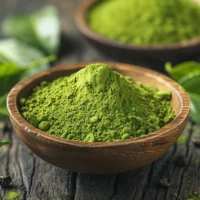
Green tea works through a different family of compounds — catechins, of which the most studied is epigallocatechin gallate, or EGCG — usually alongside the caffeine that occurs naturally in the leaf. The proposed mechanism here is thermogenesis and fat oxidation: a small rise in the amount of energy the body gives off as heat, and a modest tilt toward using fat as fuel. In plain terms, berberine is closer to a metabolic signalling agent, while green tea is closer to a gentle thermogenic. Comparing them is a bit like comparing a thermostat adjustment with a slightly faster idle speed.
What the berberine evidence shows
Berberine has been studied more for glucose control than for weight, but several controlled trials and pooled analyses have looked at body weight and waist measurements as secondary outcomes. The pattern that emerges is a modest but real reduction in body weight and body mass index in many, though not all, studies. A frequently cited ballpark is somewhere in the region of 2–3% of starting body weight over roughly 12 weeks — meaningful at the margins, but nothing resembling the double-digit percentages seen with the newer prescription medications.
Dosing in the research is fairly consistent: around 1,500 mg per day, and—critically—split into three doses of roughly 500 mg taken with meals. That divided schedule is not arbitrary. Berberine has a short half-life and a well-earned reputation for digestive side effects, so spreading it across the day both keeps blood levels steadier and softens the gastrointestinal impact. Taken as a single large dose on an empty stomach, it is far more likely to cause cramping or loose stools.
Berberine's most credible story is metabolic, not cosmetic. Where it helps weight, it seems to do so indirectly — by improving how the body handles glucose — rather than by melting fat.
The honest caveat is that berberine trials are often small, short and variable in quality, and the people who benefit most tend to be those with existing metabolic irregularities. In lean, metabolically healthy people, the weight effect is likely to be smaller still. It is also not a stimulant, which is a genuine advantage for anyone who reacts badly to caffeine.
What the green tea evidence shows
Green tea catechins, usually paired with caffeine, are among the best-studied "food-derived" ingredients in the weight-management space. Reviews generally report a small effect on body weight and fat oxidation. The recurring word across this literature is modest: average differences between groups are small, they vary between populations, and a meaningful portion of the effect appears to come from caffeine rather than the catechins alone. Green tea is roughly the best case this gentle-thermogenic category has, and even here nobody serious describes striking weight loss from catechins on their own.
Where green tea arguably edges ahead is tolerability for most people and the fact that it is a normal part of many diets. Where it falls behind berberine is that its effect is smaller and shorter-acting, tolerance to the caffeine component builds over time, and higher-dose concentrated extracts carry their own considerations that plain brewed tea does not.
Head to head: which actually wins?
If you force a verdict, the controlled data tilts slightly toward berberine for measurable changes in body weight and metabolic markers, especially in people whose glucose handling is already less than ideal. Green tea wins on gentleness, familiarity and the simplicity of dosing. But calling either a "winner" overstates the gap. Both sit firmly in the category of mild helpers. The realistic contribution of the thermogenic side of green tea is measured in tens of calories a day, and berberine's weight effect is a slow, single-digit-percentage nudge over months.
Put next to GLP‑1 medications such as semaglutide or liraglutide, both look distinctly minor. That is not a criticism so much as a reality check: the medications work through a powerful appetite pathway that no supplement replicates, and the price and access trade-offs are entirely different. If you are choosing between berberine and green tea, you are choosing between two marginal edges, not between two engines.
Stimulants, side effects and who should be careful
The stimulant question is where the two diverge most clearly. Green tea extract contains caffeine, so a strong product can produce jitters, a raised heart rate, or disrupted sleep in sensitive people, and it is easy to underestimate the dose when it is stacked with coffee. Berberine is not a stimulant and will not cause jitters; its characteristic downside is digestive, which is exactly why the divided, with-food dosing schedule exists. Anyone taking prescription medication — particularly for blood sugar — should treat berberine with real caution and talk to a healthcare professional first, because its metabolic activity can add to the effects of those drugs.
Can you take them together?
Because the two act through different pathways, many people combine them, and there is no established reason they cancel each other out. The sensible approach is to introduce one at a time so you can tell what is causing any effect — good or bad — and to keep the total caffeine load in mind if you add a green tea extract on top of coffee. As always, "natural" does not mean "consequence-free," and stacking multiple active ingredients is a good moment to involve a professional, especially if you take medication or manage a health condition.
How this fits LipoPeak
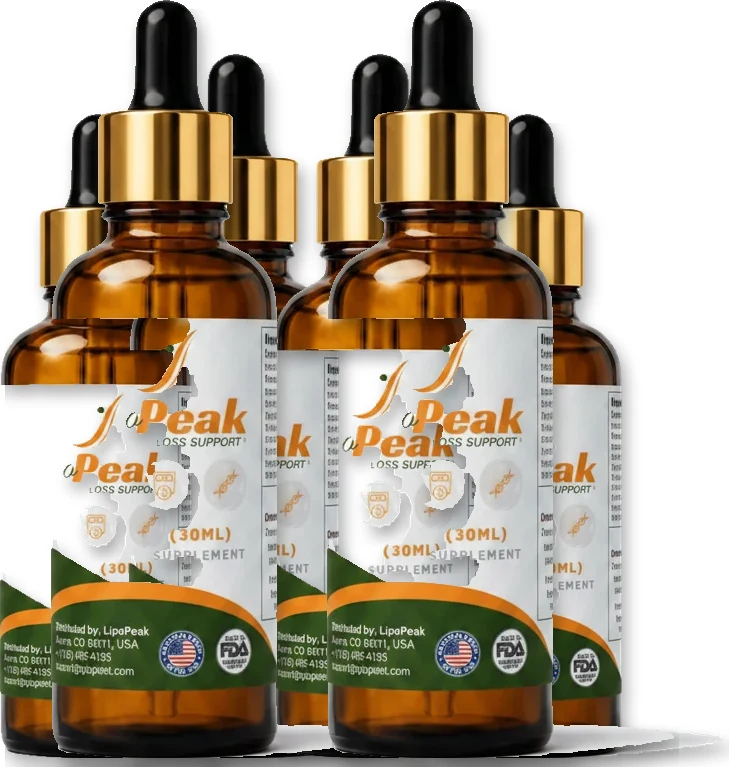
LipoPeak leans on green tea and cayenne as its better-supported thermogenic ingredients rather than berberine, which is a reasonable formulation choice given how well-studied green tea catechins are for this exact role. If you are weighing LipoPeak against a standalone berberine capsule, understand that you are comparing a gentle thermogenic blend with a metabolic-signalling compound — different tools, similar honesty required about the size of the effect. Whichever you choose, the supplement is the small part; the calorie deficit, movement and sleep are the large part.
Reading the two evidence bases side by side
The fairest comparison is between the pooled analyses, because single trials in this field are small and noisy. On the berberine side, a dose-response meta-analysis of randomised controlled trials reported small average reductions in obesity indices, in trials that were mostly short and often run in people with metabolic conditions rather than healthy adults. On the green tea side, the Cochrane review Green tea for weight loss and weight maintenance in overweight or obese adults concluded that green tea preparations produced only a small, not clinically important, weight change.
Where green tea does slightly better is on the mechanism it is actually sold for. The meta-analysis The effects of catechin rich teas and caffeine on energy expenditure and fat oxidation found that catechin-caffeine mixtures raised 24-hour energy expenditure by about 4.7 per cent in respiration-chamber studies, and raised 24-hour fat oxidation as well. That is a real, measured physiological effect — and it is still compatible with the unimpressive weight result, because a short-term rise in daily burn is not the same thing as sustained fat loss.
So the honest verdict is a draw at a low level, with different reasons to pick each. If your interest is blood-sugar handling, follow the mechanism through AMPK and fat metabolism and then insulin sensitivity and weight management. If your interest is thermogenesis, the dosing, the caffeine pairing and the liver caution are all covered in green tea EGCG dosage and safety.
The honest bottom line
Berberine and green tea are both legitimate, evidence-touched options, and both are modest. Berberine has the slightly stronger controlled data for weight and metabolic markers, needs roughly 1,500 mg a day in three divided doses, and asks for patience across 8 to 12 weeks. Green tea is gentler, more familiar, and carries caffeine. If you buy either — or a green-tea-based formula like LipoPeak — buy it as a minor nudge on top of the things that actually move weight, give it a couple of months, and walk away from anyone selling it as a shortcut.
Sources
- NIH Office of Dietary Supplements — Dietary Supplements for Weight Loss
- NIH NCCIH — Green Tea: Usefulness and Safety
- Xiong P, et al. The effect of berberine supplementation on obesity indices: A dose- response meta-analysis and systematic review of randomized controlled trials. Complement Ther Clin Pract. 2020. PMID 32379652
- Jurgens TM, et al. Green tea for weight loss and weight maintenance in overweight or obese adults. Cochrane Database Syst Rev. 2012. PMID 23235664
Frequently asked questions
Is berberine or green tea more effective for weight loss?
In head-to-head terms, berberine tends to show slightly larger effects on body weight and metabolic markers in controlled trials, often around 2 to 3 percent of body weight over about 12 weeks. Green tea's effect is gentler and leans on fat oxidation and thermogenesis. Neither is dramatic, and both depend heavily on a calorie deficit to matter.
Can I take berberine and green tea together?
Many people do, because the two work through different pathways — berberine through AMPK and glucose handling, green tea through fat oxidation and a small thermogenic effect. There is no established reason they interfere with each other, but green tea extract adds caffeine, and berberine can cause digestive upset. Introduce one at a time and speak to a healthcare professional if you take medication.
How long does berberine take to show results?
Most trials that report changes in weight or blood-sugar markers run for 8 to 12 weeks, and that is a fair window to judge berberine. Some people notice changes in appetite or digestion within the first couple of weeks, but visible weight change is slow and only appears when diet and activity are already creating a deficit.
Does green tea extract cause jitters like berberine doesn't?
Green tea extract naturally contains caffeine, so higher-dose products can cause jitters, a raised heart rate or sleep disruption in sensitive people. Berberine is not a stimulant and does not cause jitters; its most common complaint is digestive — cramping, diarrhoea or constipation, usually eased by splitting the dose with meals.
See the full LipoPeak review
The complete ingredient breakdown, the honest limitations, and today's pricing on the official store.
Get Offer