Insulin Sensitivity and Weight Management
Insulin is not the villain the internet makes it out to be, but how well your cells respond to it genuinely shapes how easily you store and release fat. Understanding that relationship — without the hype — is one of the more useful things you can do for long-term weight management.
How does insulin affect weight gain?
Insulin is the hormone that helps move glucose out of your blood and into cells for use or storage. When cells respond poorly to it, a state called insulin resistance, the body releases more insulin to compensate, and persistently high insulin makes it easier to store fat and harder to release it. Insulin does not create calories, but it strongly influences how the calories you eat are handled.
- Insulin manages blood glucose and its storage as glycogen or fat.
- Insulin resistance means higher circulating insulin over time.
- Better sensitivity supports easier fat release and steadier appetite.

What insulin actually does
Every time you eat carbohydrates, and to a lesser extent protein, your blood glucose rises. Insulin, made by the pancreas, is the messenger that responds. It signals cells — especially muscle, liver and fat cells — to take glucose out of the bloodstream and either use it for energy, store it as glycogen, or, when those stores are full, store it as fat. This is a normal, essential process. Without insulin doing its job, blood sugar would stay dangerously high. So the goal is never to eliminate insulin; it is to keep your cells responsive to it so the whole system runs on modest amounts.
Insulin sensitivity is a measure of how efficiently your cells respond to that signal. When you are sensitive, a small amount of insulin gets the job done and blood glucose settles quickly. When cells become resistant — less responsive to the message — the pancreas compensates by pumping out more insulin to force the same result. Over months and years, that means chronically higher insulin levels, and that is the state that tilts your metabolism toward storing fat and away from releasing it.
How resistance ties into fat storage
Here is the loop worth understanding. Excess body fat, and particularly visceral fat packed around the organs, tends to worsen insulin resistance. Worsening resistance raises circulating insulin. Higher insulin makes fat storage easier and fat mobilisation harder, and it can nudge appetite and energy in unhelpful directions. That, in turn, makes it easier to gain more fat. It is a self-reinforcing cycle, which is exactly why it feels so stubborn for many people carrying extra weight around the midsection.
The encouraging flip side is that the cycle runs in reverse too. Losing fat — especially visceral fat — improves insulin sensitivity, which lowers insulin, which makes further fat loss a little easier. This is a big reason the same handful of habits keep showing up in both the weight-loss and the metabolic-health literature: they are hitting both ends of the loop at once. You do not have to choose between "lose weight" and "improve insulin sensitivity." Done well, each drives the other.
Insulin is not making you fat on its own. But chronically high insulin, driven by resistance, creates a hormonal environment that makes fat easier to store and harder to shift.
The levers that move insulin sensitivity
The most powerful tools here are not exotic. Movement is at the top of the list: muscle contraction lets cells take up glucose with less insulin, and both resistance training and regular aerobic activity improve sensitivity, with effects that begin after a single session and compound with consistency. Even a short walk after meals measurably blunts the post-meal glucose spike. If you did nothing else, moving more — particularly after eating — would move the needle.
Diet is the second lever, and it is mostly about the pattern rather than any single miracle food. Diets built on whole, minimally processed foods — vegetables, legumes, whole grains, fruit, nuts, fish and lean proteins, with plenty of fibre — produce gentler glucose and insulin responses than diets dominated by sugary drinks, refined carbohydrates and ultra-processed snacks. Pairing carbohydrates with protein, fat or fibre slows their absorption and smooths the curve. And because losing excess fat itself improves sensitivity, a moderate calorie deficit is quietly one of the most effective "insulin sensitisers" there is.
Sleep and stress, the quiet variables
Two levers get ignored because they are not about food or the gym. Short or poor-quality sleep reliably worsens insulin sensitivity, even after just a few bad nights, and it also pushes appetite hormones toward eating more the next day. Chronic stress raises cortisol, which works against insulin and encourages fat storage around the middle. Neither is a footnote. If your sleep is consistently short and your stress is consistently high, you are fighting your own metabolism, and no supplement or clever diet fully compensates for that. Protecting seven to nine hours of sleep and building in genuine recovery are metabolic interventions, not lifestyle luxuries.
Where berberine and green tea come in
This is the part people usually arrive for, so it deserves honesty about the size of the effect. Berberine has the more interesting story. In human trials it can improve markers of glucose handling and insulin sensitivity, and its headline mechanism is activation of AMP-activated protein kinase (AMPK), a cellular energy sensor that encourages cells to take up and use glucose. The effect is real but modest, the trials are often small, and the typical dose — around 1,500 mg a day split into three doses with meals — comes with a real risk of digestive upset. Crucially, because it acts on the same pathways as some medications, anyone taking blood-sugar drugs must talk to a healthcare professional before using it.
Green tea catechins are gentler and the evidence for insulin sensitivity is smaller and more mixed. They are better characterised as a mild thermogenic with some supportive metabolic data than as a serious glucose-lowering tool. The reasonable way to hold both is this: berberine and green tea may nudge insulin sensitivity at the edges, but they sit far below movement, diet, sleep and fat loss in order of impact. They are potential add-ons to the fundamentals, never substitutes for them, and never a treatment for any diagnosed condition.
How this connects to belly fat
Insulin sensitivity and visceral fat are tightly linked, which is why the midsection is where this whole topic tends to show up. Visceral fat is metabolically active in unhelpful ways and both worsens and is worsened by insulin resistance. The practical takeaway is reassuring rather than doom-laden: the same approach that improves your glucose response — a moderate deficit, regular movement, resistance training to hold muscle, more fibre and better sleep — is also the approach that preferentially reduces visceral fat over time. You do not need a special "belly fat" protocol. You need the metabolic fundamentals applied consistently.
Where a formula like LipoPeak fits
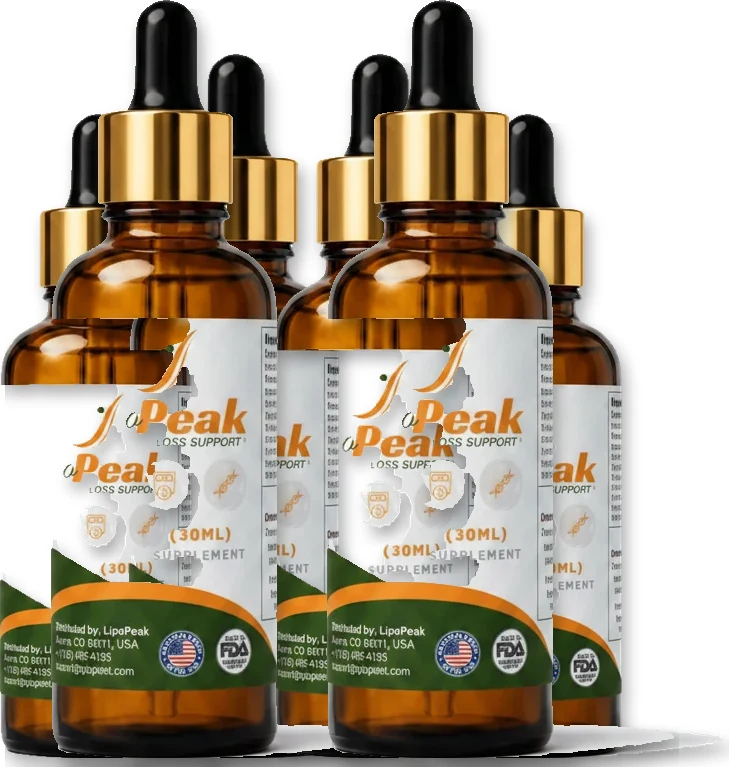
LipoPeak is built around green tea and cayenne rather than berberine, so its story here is the gentler one: a small thermogenic and metabolic nudge layered on top of the real drivers. If your interest is insulin sensitivity specifically, understand that the heavy lifting is done by how you move, eat and sleep, and by losing excess fat — not by any capsule or liquid. A supplement can be a minor helper for someone already doing those things. Treated as a shortcut around them, it will disappoint, and it is never a stand-in for medical care if you have a diagnosed metabolic condition.
What the insulin evidence supports
The clinical signal for the ingredients sold in this space is narrow but real. A double-blind, placebo-controlled pilot trial of a standardised berberine preparation in people with prediabetes reported improvements in glycaemic control, and a dose-response meta-analysis of berberine and obesity indices found small average reductions in body weight and BMI across randomised trials. Both are worth knowing and both come with the same caveats: short trials, modest effects, and populations with existing metabolic problems rather than healthy adults.
Why insulin sensitivity is worth the attention at all is best explained by where the fat sits. The position statement on visceral and ectopic fat in Lancet Diabetes & Endocrinology describes visceral adipose tissue as an independent risk marker of cardiovascular and metabolic morbidity and mortality, over and above what body weight alone reveals. That is the loop the supplements are trying to enter — and it is also why losing abdominal fat improves insulin sensitivity at least as reliably as any capsule improves it.
Direction of travel matters here: better insulin sensitivity makes fat loss slightly easier, and fat loss makes insulin sensitivity substantially better. The mechanism most often cited for the supplement side is unpacked in AMPK and fat metabolism, the fat depot that matters most is explained in visceral versus subcutaneous belly fat, and the two ingredients you will be choosing between are compared in berberine versus green tea for weight loss.
The honest bottom line
Insulin sensitivity is a genuine lever in weight management, but it is not a hidden switch that overrides calories. Better sensitivity and fat loss feed each other, and both respond to the same unglamorous habits: move often and especially after meals, build meals from whole foods with plenty of fibre, keep a moderate deficit, hold your muscle with resistance training, and protect your sleep. Berberine and green tea may add a small nudge, with berberine the better-evidenced of the two — but check with a professional first, and never expect either to do the work the fundamentals do.
Sources
- NIH NIDDK — Insulin Resistance & Prediabetes
- NIH NCCIH — Green Tea: Usefulness and Safety
- CDC — Insulin Resistance and Diabetes
- Panigrahi A, Mohanty S. Efficacy and safety of HIMABERB® Berberine on glycemic control in patients with prediabetes: double-blind, placebo-controlled, and randomized pilot trial. BMC Endocr Disord. 2023. PMID 37679692
Frequently asked questions
How does insulin affect weight gain?
Insulin is the hormone that helps move glucose out of your blood and into cells for use or storage. When cells respond poorly to it, a state called insulin resistance, the body releases more insulin to compensate, and persistently high insulin makes it easier to store fat and harder to release it. Insulin does not create calories, but it strongly influences how the calories you eat are handled.
Can improving insulin sensitivity help you lose fat?
Improving insulin sensitivity can make fat loss easier and support better appetite and energy, but it is not a standalone fat-loss switch. You still need a calorie deficit to lose fat. Better insulin response tends to travel together with the very habits that drive weight loss, such as movement, sleep, fibre and losing visceral fat, so the two reinforce each other.
Do berberine and green tea improve insulin sensitivity?
There is reasonable human evidence that berberine can improve markers of glucose handling and insulin sensitivity, partly by activating an enzyme called AMPK. Green tea catechins show smaller, more mixed effects. Both are modest compared with diet, activity and weight loss themselves, and neither replaces medical care. Anyone on blood-sugar medication should speak to a healthcare professional before using them.
What foods improve insulin sensitivity?
Whole, minimally processed foods help most: vegetables, legumes, whole grains, fruit, nuts, fish and other lean proteins, alongside plenty of fibre. Cutting back on sugary drinks, refined carbohydrates and heavily processed snacks reduces the glucose and insulin swings that drive resistance over time. Pairing carbohydrates with protein, fat or fibre, and staying active, further smooths the response.
See the full LipoPeak review
The complete ingredient breakdown, the honest limitations, and today's pricing on the official store.
Get Offer