Belly Fat: Visceral vs Subcutaneous Explained
Not all belly fat is the same. Some of it is the soft layer you can pinch; some of it is packed deep around your organs where you cannot see it at all. Understanding the difference explains why belly fat feels stubborn, why "spot reduction" never works, and where your effort actually pays off.

What is the difference between visceral and subcutaneous belly fat?
Subcutaneous fat sits just under the skin and is the soft fat you can pinch. Visceral fat sits deeper, wrapped around organs in the abdomen, and is more metabolically active and riskier for health. You cannot target either type directly, but an overall calorie deficit reduces both over time.
- Subcutaneous fat is the pinchable fat under the skin; visceral fat wraps around organs.
- Visceral fat is more metabolically active and linked to greater health risk.
- Spot reduction is a myth; a sustained deficit plus better insulin response shrinks belly fat.
Two very different kinds of fat
When people talk about "belly fat" they are usually picturing one thing, but two distinct types are involved. Subcutaneous fat is the layer directly beneath the skin. It is the fat you can physically grab, and it accounts for most of the fat on your body, including the pinchable part of your stomach, hips and thighs. Visceral fat lives much deeper, inside the abdominal cavity, packed around organs such as the liver, pancreas and intestines. You cannot pinch it, and a very lean-looking person can still carry more of it than they realise.
The reason the distinction matters is that these two fats behave differently. Subcutaneous fat is largely a storage depot. Visceral fat is more metabolically active — it releases fatty acids and signalling compounds into the bloodstream and sits close to the organs that process them, which is why it is the type more strongly tied to health risk.
Why visceral fat carries more risk
Because visceral fat is active and positioned near key organs, higher amounts are associated with greater cardiometabolic risk, including links to insulin resistance and less favourable blood markers. This is why two people at the same weight can have very different risk profiles: waist measurement and where fat is stored often tell you more than the scale does. A growing waistline, in particular, is a reasonable everyday signal that visceral fat may be increasing.
The encouraging flip side is that visceral fat often responds relatively well to the basics. Because it is metabolically active, it tends to be among the fat the body is willing to mobilise when you are in a deficit and moving regularly — so the fat that matters most for health is frequently the fat that starts to shift first.
The fat you can see is not always the fat that matters most. Waist size and health markers often say more than body weight alone.
Why belly fat feels so stubborn
Subcutaneous belly fat has a reputation for being the last to go, and there is truth to it. Fat distribution is heavily influenced by genetics and hormones, and for many people the midsection is simply where the body prefers to hold on longest. On top of that, belly fat is sensitive to stress, sleep and insulin — so chronic stress, poor sleep and blood-sugar swings can all make it feel especially resistant. None of this means it is impossible; it means the abdomen is often the last area to reflect the progress you are already making elsewhere.

How to tell which type you have
You cannot separate the two by eye alone, but a few simple measures give useful clues. The pinch test is the obvious one: fat you can grab is subcutaneous. Beyond that, waist circumference is a practical proxy for visceral fat, because a larger waistline usually reflects more fat packed inside the abdomen. Measuring around the navel and tracking the trend over weeks tells you far more than a single reading ever could.
Waist-to-height ratio is another easy check: keeping your waist under half your height is a commonly cited rule of thumb associated with lower risk. For a precise breakdown, imaging such as a DXA or CT scan can distinguish the two types directly, but for everyday purposes a tape measure and an honest look at the trend are enough. The aim is not to obsess over numbers, but to notice the direction of travel — a shrinking waist is a good sign that the visceral fat which matters most for health is coming down with it.
The spot-reduction myth
This is the big one: you cannot choose where you lose fat. Endless crunches will strengthen the abdominal muscles underneath, but they do nothing to burn the fat sitting on top of them. When you are in an energy deficit, the body draws from fat stores across your whole body in a pattern set largely by your genetics, not by which muscles you exercise. No exercise, wrap, cream or supplement overrides that. The only reliable way to reduce belly fat is to reduce total body fat — and then the midsection follows on its own schedule.
What actually reduces belly fat
The approach is unglamorous but well supported. A sustained calorie deficit is the engine: it is what drives fat loss everywhere, including the belly. Adequate protein and resistance training protect muscle so more of what you lose is fat. Regular movement and good sleep both help, partly by managing the stress and appetite pathways that make abdominal fat stubborn.
Movement beyond formal exercise helps too. Simply being more active across the day — walking, taking the stairs, standing more, carrying the shopping — raises the calories you burn without eating into recovery, and it is far easier to sustain than punishing daily cardio. Combined with the deficit and strength work, this everyday activity is a quietly powerful contributor to losing abdominal fat over the months it takes.
Insulin sensitivity is worth a mention here. Better blood-sugar control means the body is less inclined to keep storing fat and more able to use it, and improving insulin sensitivity is one plausible route to reducing fat storage over time. That is where ingredients such as cayenne and chromium enter the conversation: some evidence points to small effects on metabolism, appetite or blood-sugar handling. The honest framing is that any such effect is minor. A supplement like LipoPeak may play a small supporting role at the margins, but it does not create the deficit and it does not target your belly. The deficit does the work; ingredients, at best, nudge.
What the research says about shifting visceral fat
The reason clinicians care about the deep fat rather than the pinchable layer is set out in the 2019 position statement on visceral and ectopic fat in Lancet Diabetes & Endocrinology, which describes visceral adipose tissue — measured properly by CT or MRI rather than by a scale — as an independent risk marker for cardiovascular and metabolic disease. That is why a waist measurement that is falling is a better sign than a scale number that is falling, and why two people at an identical weight can sit in very different risk categories.
What actually moves it is unglamorous. Body weight follows energy balance in a way that has been modelled precisely — Hall and colleagues in The Lancet quantified how a sustained change in intake translates into a change in body weight over time, and that arithmetic applies to abdominal fat as much as anywhere else. Resistance training does not create the deficit, but it changes what you lose: a meta-analysis of resistance training during energy deficiency found that an energy deficit impairs gains in lean mass but not gains in strength — so lifting while dieting still makes you stronger, even when it cannot add much muscle. What no study supports is spot reduction, or any supplement that claims to target the midsection.
If you want the arithmetic behind the deficit rather than the slogan, start with calorie deficit basics, then use strength training for fat loss to protect the muscle you would otherwise lose along with the fat. The metabolic backdrop matters too, and improving insulin sensitivity is the mechanism most often invoked — correctly, but modestly — when supplements are sold for belly fat.
The bottom line
Belly fat comes in two forms: the subcutaneous fat you can pinch, and the deeper visceral fat that carries more health risk. You cannot burn either one on demand, and spot reduction is a myth. What works is reducing total body fat through a sustained deficit, protein, strength training, movement and sleep — with better insulin sensitivity as a helpful tailwind. Do that consistently and the waistline follows, even if it takes its time getting there.
Frequently asked questions
What is the difference between visceral and subcutaneous fat?
Subcutaneous fat lies directly beneath the skin and makes up the fat you can pinch on your belly, hips, and thighs. Visceral fat is stored deeper inside the abdominal cavity, around organs such as the liver and intestines. Visceral fat is more metabolically active and more strongly linked to health problems.
Why is belly fat so hard to lose?
Belly fat feels stubborn partly because it is often the last place the body draws from, and partly because it is influenced by stress, sleep, hormones, and insulin. There is no way to burn it selectively. It comes off as part of overall fat loss driven by a sustained calorie deficit.
Can you target belly fat specifically?
No. Spot reduction is a myth; crunches build abdominal muscle but do not burn the fat covering them. Fat is lost across the whole body based on genetics and an overall energy deficit. The most effective approach is reducing total body fat through diet, movement, and consistency.
Which type of belly fat is more dangerous?
Visceral fat is considered the more dangerous of the two. Because it surrounds internal organs and is metabolically active, higher levels are associated with greater cardiometabolic risk. The encouraging part is that visceral fat often responds relatively well to a calorie deficit, regular movement, and better insulin sensitivity.
Sources
- Harvard Health — Taking aim at belly fat
- NIH NIDDK — Weight Management and Health Risks
- Neeland IJ, et al. Visceral and ectopic fat, atherosclerosis, and cardiometabolic disease: a position statement. Lancet Diabetes Endocrinol. 2019. PMID 31301983
- NIH Office of Dietary Supplements — Dietary Supplements for Weight Loss
Related reading
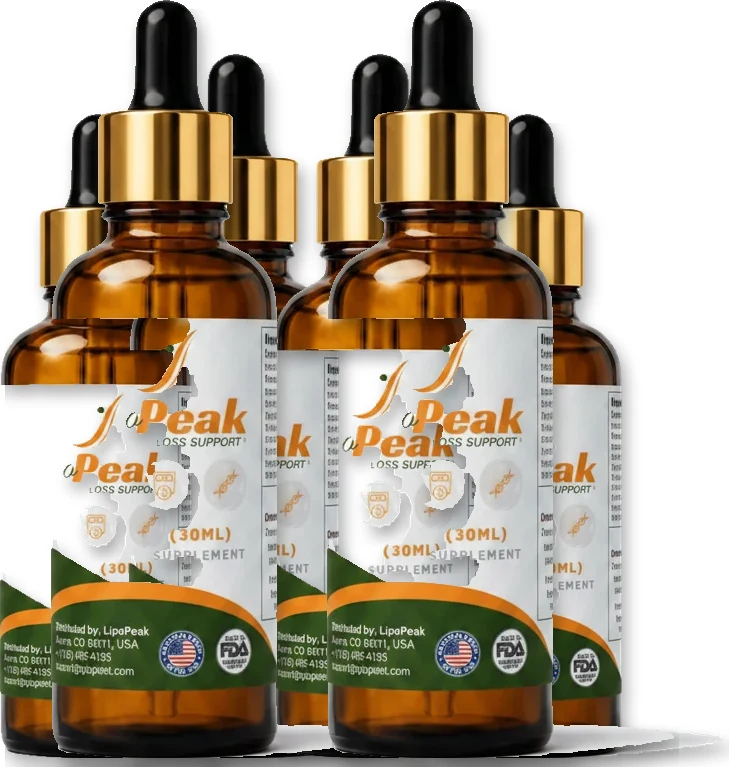
Thinking about trying LipoPeak?
See the full ingredient breakdown and today's pricing — and keep the deficit, not the supplement, at the centre.
Get Offer