Menopause Weight Gain: What Actually Helps
Many women reach their forties and fifties doing everything they always did, only to watch the weight creep on — especially around the middle. It is not your imagination and it is not a lack of discipline. The rules change during menopause, and once you understand why, the strategies that work become a lot clearer.

Why do women gain weight during menopause, and what helps?
Falling oestrogen during perimenopause and menopause shifts fat storage toward the belly and can lower muscle mass and metabolic rate. The most effective responses are eating enough protein, strength training, protecting sleep, and keeping a modest calorie deficit. Supplements play only a small supporting role, if any.
- Hormonal shifts move fat toward the midsection and reduce muscle and metabolic rate.
- Protein, strength training and good sleep matter more now, not less.
- Expect slower progress and judge changes over months, not weeks.
What actually changes during menopause
The transition through perimenopause into menopause brings a steady fall in oestrogen, and that single change ripples outward. Lower oestrogen encourages the body to store fat around the abdomen rather than the hips and thighs, which is why many women notice their body shape changing even when the scale barely moves. At the same time, muscle mass tends to decline with age — a process called sarcopenia — and since muscle is metabolically expensive tissue, losing it gradually lowers the number of calories you burn at rest.
Layer on the sleep disruption that hot flushes and night sweats often cause, plus the way busy midlife years can eat into exercise time, and you have a combination that pushes weight upward unless habits adjust. None of it means weight loss is impossible — it means the same effort that worked at thirty may need to be a little smarter at fifty.
It is also worth naming what does not change: the fundamental maths of energy balance. Menopause makes the context harder — a lower metabolic rate and a stronger tendency to store fat centrally — but it does not suspend the rules. A modest, sustainable deficit still drives fat loss; it simply has to be built on a foundation that actively protects muscle, because that foundation is now doing more of the work than it used to.
Why the old approach stops working
A lot of women respond to midlife weight gain by eating even less and doing more cardio — the strategy that seemed to work before. During menopause this can backfire. Eating too little makes it harder to hit protein targets and can accelerate muscle loss, which lowers metabolic rate further. Endless cardio without any resistance work does little to protect muscle either. The result is a smaller but softer body, more fatigue, and a metabolism that feels increasingly stubborn.
The goal in menopause is not to eat as little as possible. It is to protect muscle while gently reducing fat — which usually means eating more protein, not less food across the board.
Protein becomes non-negotiable
If protein mattered before, it matters more now. Adequate protein — broadly in the range of 0.7 to 1 gram per pound of body weight — helps preserve the muscle that keeps your metabolic rate up, and it is the most filling nutrient, which supports appetite control during a modest deficit. Spreading it across meals, starting with a protein-rich breakfast, tends to work best. This is the single dietary lever with the most leverage during menopause.
Strength training is the standout
If there is one form of exercise to prioritise now, it is resistance training. Lifting weights — or using bands, machines or bodyweight — directly counters age-related muscle loss, supports bone health at a time when that becomes important, and helps maintain metabolic rate. Two or three sessions a week, paired with regular walking or other daily movement, is a realistic and well-supported combination. Cardio still has a place for heart health and calorie burn, but it should complement strength work, not replace it.

Sleep and stress are part of the plan
Sleep is often the first casualty of menopause and one of the most important things to protect. Poor sleep raises appetite and cravings and undermines the willpower a modest deficit depends on, so improving sleep quality pays off directly on the scale. Managing stress matters for similar reasons — chronic stress influences appetite and where the body stores fat. Neither is a quick fix, but both are genuine levers rather than afterthoughts.
Where supplements fit — honestly
Supplements are marketed heavily to women in this stage, and it is worth being clear-eyed. Most ingredients have only modest evidence for weight, and none replaces the fundamentals. Natural GLP-1 support — ingredients thought to gently influence the appetite-signalling pathway that newer prescription drugs target — has some early, modest evidence, but nothing approaching the effect of the medications themselves. A formula like LipoPeak may offer a small supporting nudge at the margins, and that is the right expectation to hold. Because menopause often coincides with new medications and health considerations, this is exactly the point to speak with your own doctor before adding any supplement.
Putting it together in a normal week
None of this needs to be complicated. A workable week might include two or three short strength sessions, daily walking or general movement, a protein target hit at most meals, and a consistent sleep schedule with a calm wind-down before bed. The calorie deficit stays modest rather than severe, so it remains sustainable alongside the busy demands of midlife. This is not a crash plan; it is a set of habits designed to be repeated comfortably for months.
If hot flushes or night sweats are disrupting your sleep, treating that as a priority — with help from your clinician if needed — often does more for your weight than any tweak to your diet, precisely because sleep sits underneath appetite and energy. Small, consistent adjustments in the right places tend to beat dramatic efforts you cannot maintain past a few weeks.
Realistic expectations
Progress during menopause is usually slower than it was earlier in life, and that is normal rather than a sign of failure. Judge changes over months, not weeks, and pay attention to how clothes fit, strength gains and energy alongside the scale. The women who do best are not the ones chasing dramatic results; they are the ones who make protein, strength training and sleep a steady habit and let time do the rest.
What the midlife research actually found
The most useful finding for this stage of life is about where fat moves rather than how much appears. Sternfeld and colleagues, studying menopause, physical activity and body composition in midlife women, documented the shift in fat distribution that accompanies the menopausal transition and the role physical activity plays in it. That is why waist measurements often change more than the scale does, and why an exercise habit is treated as a first-line response rather than an optional extra.
The two protective levers have good direct evidence behind them. A randomised trial of higher versus lower protein during an energy deficit with intense exercise found greater lean-mass gain and fat-mass loss on the higher-protein arm, and a meta-analysis of resistance training during energy deficiency found that an energy deficit impairs gains in lean mass but not gains in strength. Neither study was specific to menopause, which is a genuine limitation worth stating: the evidence supports the mechanism strongly, and the menopause-specific trial base is thinner than anyone would like.
Practically, this argues for spending your effort on muscle, protein and sleep rather than on formulas marketed for hormonal weight gain. The training case is made in why strength training beats cardio for fat loss, the numbers are in how much protein you need for fat loss, and because appetite regulation gets harder when nights get worse, the sleep and weight loss connection is more relevant here than at any other stage. If the change you have noticed is mostly around the middle, visceral versus subcutaneous belly fat explains what is actually shifting.
The bottom line
Menopause genuinely shifts the odds — lower oestrogen moves fat to the middle, muscle and metabolic rate drift down, and sleep often suffers. The response that works is not extreme restriction but a smarter set of basics: enough protein, regular strength training, protected sleep and a modest deficit, with patience built in. Supplements are a minor extra at most. Get the foundations right and menopause weight gain becomes manageable, even if it asks a little more of you than it used to.
Frequently asked questions
Why do women gain weight during menopause?
During perimenopause and menopause, oestrogen levels fall, which encourages the body to store more fat around the abdomen. At the same time, muscle mass tends to decline with age, lowering the metabolic rate. Combined with changes in sleep and activity, this makes weight gain more likely unless habits are adjusted.
Can you lose menopause belly fat?
Yes, though it often takes more patience than it did earlier in life. The same principles apply: a sustained calorie deficit, plenty of protein, and regular strength training. You cannot target the belly directly, but reducing overall body fat, improving sleep, and managing stress all help shrink midsection fat.
Do supplements help with menopause weight gain?
Supplements have only modest evidence and cannot replace the basics. Some ingredients may gently support appetite or metabolism, but the effect is small. Any product is best viewed as a minor addition to protein, resistance training, and sleep. Speak with your doctor before starting a supplement during menopause.
What exercise is best during menopause?
Strength training is especially valuable during menopause because it helps preserve muscle, support bone health, and maintain metabolic rate. Pairing two or three resistance sessions a week with regular walking or other daily movement, plus enough protein, is a practical and well-supported approach for this stage of life.
Sources
- NIH Office on Women's Health — Menopause
- Mayo Clinic — Menopause weight gain: Stop the middle-age spread
- Sternfeld B, et al. Menopause, physical activity, and body composition/fat distribution in midlife women. Med Sci Sports Exerc. 2005. PMID 16015138
- NIH Office of Dietary Supplements — Dietary Supplements for Weight Loss
Related reading
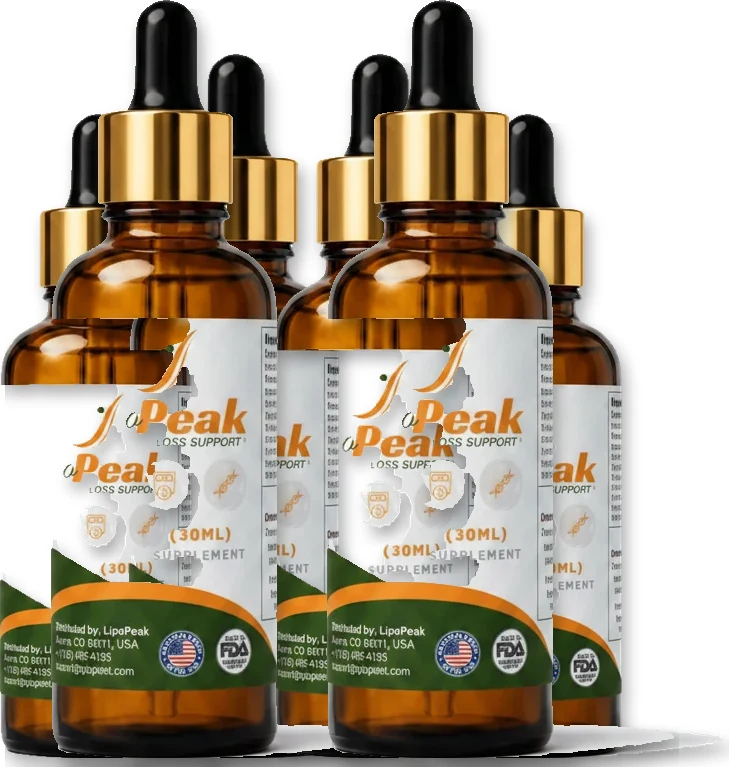
Thinking about trying LipoPeak?
See the full ingredient breakdown and today's pricing — and speak with your doctor before adding anything during menopause.
Get Offer