Cayenne Pepper for Metabolism and Appetite Control
Cayenne is one of the few weight-loss ingredients with a mechanism you can actually feel. Its active compound, capsaicin, raises heat production, speeds fuel use and can briefly blunt appetite. Here is what that adds up to in real calories — and where the heat becomes the limiting factor.
Does cayenne pepper help with metabolism and appetite?
Modestly, yes. Capsaicin, the compound that makes cayenne hot, raises heat production and speeds fat and carbohydrate metabolism, and it lifts epinephrine and norepinephrine, which can briefly curb appetite. The realistic extra burn is roughly 50–100 calories a day, and a better insulin response may slightly reduce fat storage — a small edge, not a solution.
- Capsaicin raises thermogenesis and speeds how fuel is used.
- It nudges epinephrine and norepinephrine, which may curb appetite short-term.
- Realistic extra burn is about 50–100 calories a day — helpful at the margin.

What cayenne actually does in the body
Cayenne pepper's effects come almost entirely from capsaicin and its chemical relatives, the capsaicinoids. When you eat them, they activate heat-sensing receptors — the same ones that register a burn — and that activation sets off a small cascade of metabolic responses. The most measurable is thermogenesis: a rise in the energy your body gives off as heat. Alongside that, capsaicin appears to speed up how the body processes fat and carbohydrate for fuel, which is why it turns up so often in thermogenic formulas.
Crucially, the heat you feel is not the mechanism — it is a signal that the mechanism is engaged. The metabolic effect is real but small, and it does not scale endlessly with how much you can tolerate. Eating enough cayenne to feel genuinely uncomfortable does not multiply the benefit; it just multiplies the discomfort. That ceiling is one of the most honest things to understand about this ingredient.
The adrenaline and appetite angle
Beyond raw heat production, capsaicin nudges the release of epinephrine and norepinephrine — the body's adrenaline-type messengers. This matters for two reasons. First, those signals support the breakdown and use of stored fuel, reinforcing the thermogenic effect. Second, they are associated in some studies with a modest, short-lived reduction in appetite: people who take capsaicin before or with a meal sometimes eat a little less and report feeling satisfied sooner in the hours that follow.
The appetite effect is genuinely interesting because, for many people trying to lose weight, the calories they do not eat matter more than the calories a supplement helps them burn. But it comes with two honest caveats: the effect is small and variable from person to person, and it tends to fade as you become accustomed to the heat. Treat any appetite benefit as a possible bonus that may diminish over time, not as a dependable feature you can build a plan around.
Cayenne's value is the combination — a little more heat produced, fuel used slightly faster, and appetite occasionally nudged down. Each piece is minor; together they can tilt the daily maths a fraction in your favour.

The realistic numbers
Here is where honesty matters most. Across the research, the extra energy expenditure attributed to capsaicin lands in the region of 50 to 100 calories a day. That is a small snack or a brisk ten-to-fifteen minute walk. It is real, it is measurable, and over weeks and months it can contribute to a fat-loss plan — but only if a calorie deficit already exists. If your intake matches or exceeds what you burn, an extra 50 to 100 calories of heat production will not create weight loss on its own. Cayenne changes the size of the edge; it does not change the direction of the trend.
There is also a plausible metabolic-handling benefit. Some research suggests capsaicin can improve the body's insulin response to a meal, and a steadier insulin response may mean slightly less fat storage from the food you eat. This is a supportive mechanism rather than a dramatic one, and it fits the overall theme: several small, aligned nudges rather than one big lever.
How much to take, and in what form
There is no official weight-loss dose for cayenne, and the research uses a range. Studies on capsaicin often work with the equivalent of a couple of grams of cayenne per day, or roughly 2 to 6 milligrams of capsaicinoids, frequently split across meals to keep each dose tolerable. You can get cayenne from food, from capsules, or as part of a formulated supplement. Food is the gentlest route and doubles as flavour; capsules and concentrated forms deliver a more consistent amount but concentrate the GI impact into a smaller package.
Whatever the form, the sensible approach is to start low and build up. Tolerance to the heat develops quickly, so many people can increase gradually, but pushing hard from day one is the fastest way to an upset stomach and an abandoned habit. More is not better here; the useful dose is the one you can take consistently without discomfort.
GI tolerance and who should be cautious
The main downside of cayenne is gastrointestinal. Capsaicin can cause a burning sensation, heartburn, reflux, or general stomach discomfort, and these effects are more likely on an empty stomach or at higher doses. Taking it with food helps considerably. People with conditions such as acid reflux, ulcers or irritable bowel syndrome may find even modest amounts uncomfortable and should be especially careful. Anyone who is pregnant, nursing, taking medication — particularly blood thinners or blood-pressure drugs — or managing a health condition should check with a healthcare professional before using cayenne supplements, as opposed to normal culinary amounts.
Where cayenne fits in LipoPeak
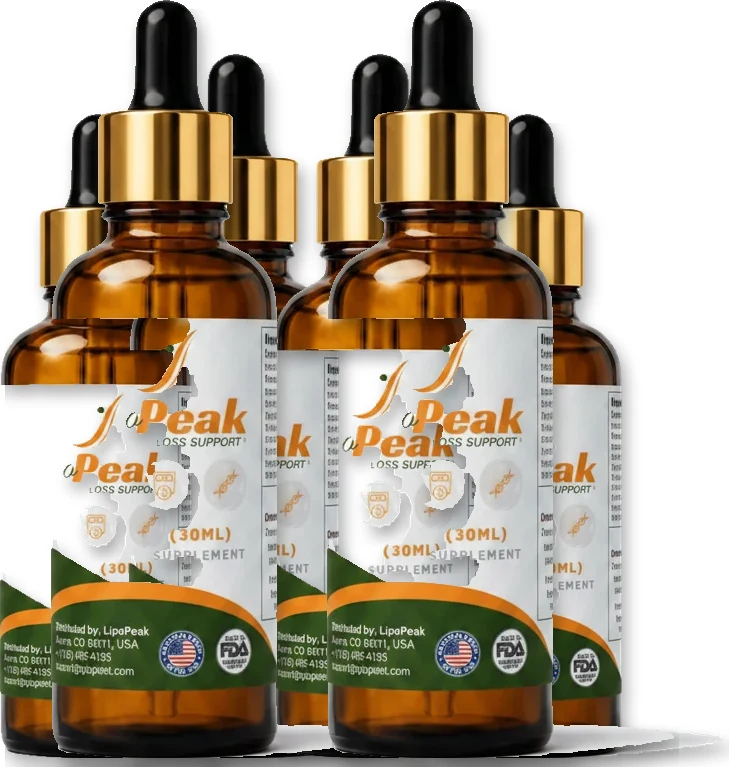
Cayenne is one of LipoPeak's two headline thermogenic ingredients, alongside green tea, and it is a reasonable inclusion precisely because its mechanism is real and food-derived. The honest way to read its presence is as a small, evidence-touched contributor: a little extra heat, slightly faster fuel use, and a possible short-term appetite nudge. That is worth having in perspective — a helper that earns its place when the rest of the plan is doing the heavy lifting, and a poor substitute for that plan if it is missing.
What capsaicin trials found, and how big the effect was
Capsaicin has been pooled twice in ways worth knowing. The meta-analyses in Ludy and colleagues, Chemical Senses, 2012 examined capsaicin and capsiate across human studies and found effects on energy intake and energy expenditure that were detectable but small. A more recent analysis, The effect of Capsaicinoids or Capsinoids in red pepper on thermogenesis in healthy adults, put a number on it: pooled across 13 placebo-controlled trials, capsaicinoids raised resting metabolic rate by about 34 kcal a day.
The gap between that and the marketing is the whole story. When thermogenic products have been tested as products rather than as isolated compounds — as in a 2023 study of chronic thermogenic supplement consumption in Nutrients — a multi-ingredient thermogenic held resting energy expenditure steady across four weeks while it fell in the unsupplemented group, and moved body composition not at all. Add a practical wrinkle the studies mention less often: tolerance to chilli heat builds with regular use, and the appetite effect tends to fade with it.
Use cayenne as a seasoning-level nudge rather than a strategy. The companion evidence for the ingredient it is almost always sold beside is in green tea and capsaicin for weight loss, the calorie arithmetic for the whole category is in how thermogenic fat burners actually work, and if your real goal is eating less rather than burning more, the better-supported levers are ranked in natural appetite suppressants and the real evidence.
The honest bottom line
Cayenne pepper has one of the more tangible mechanisms in the weight category: capsaicin raises heat production, speeds how fuel is used, lifts adrenaline-type signals and can briefly curb appetite. The realistic payoff is roughly 50 to 100 extra calories a day plus a possible small improvement in how your body handles a meal — a genuine edge, not a shortcut, and only when a calorie deficit is already in place. Start with a tolerable dose, take it with food, respect your stomach, give any plan two to three months, and judge it by the overall trend rather than a single day on the scale.
Sources
- NIH Office of Dietary Supplements — Dietary Supplements for Weight Loss
- Ludy MJ, et al. The effects of capsaicin and capsiate on energy balance: critical review and meta-analyses of studies in humans. Chem Senses. 2012. PMID 22038945
- NIH NCCIH — Weight Control: what the science says
- Irandoost P, et al. The effect of Capsaicinoids or Capsinoids in red pepper on thermogenesis in healthy adults: A systematic review and meta-analysis. Phytother Res. 2021. PMID 33063385
Frequently asked questions
How much cayenne pepper should I take to lose weight?
Studies on capsaicin, the active compound in cayenne, typically use the equivalent of a couple of grams of cayenne or roughly 2 to 6 milligrams of capsaicinoids per day, often split across meals. There is no official weight-loss dose, and more is not better because heat and stomach tolerance become the limiting factor well before any benefit increases.
Does cayenne pepper suppress appetite?
It can, modestly and temporarily. Capsaicin raises epinephrine and norepinephrine and, in some trials, slightly reduces hunger and calorie intake in the hours after a dose. The effect is small, varies between people, and tends to fade as you get used to the heat, so it is best treated as a minor bonus rather than a reliable appetite control tool.
Can cayenne pepper burn belly fat?
Not specifically. No food or supplement targets belly fat directly. Cayenne may add a small amount of daily energy expenditure — often estimated at 50 to 100 extra calories — and a better insulin response could slightly reduce fat storage, but any fat you lose comes from a whole-body calorie deficit, not from spot reduction of the abdomen.
Is cayenne safe for people with stomach issues?
It depends on the person. Many tolerate small, food-level amounts, but capsaicin can trigger heartburn, reflux or discomfort, and people with conditions like ulcers, IBS or acid reflux may react badly. Taking it with food and starting low helps, but anyone with a diagnosed digestive condition or on medication should check with a healthcare professional first.
See the full LipoPeak review
The complete ingredient breakdown, the honest limitations, and today's pricing on the official store.
Get Offer