The Sleep and Weight Loss Connection Explained
You can track every calorie and still stall if you are sleeping five hours a night. Sleep does not burn fat directly, but it quietly controls the hormones, cravings and willpower that decide whether your diet is survivable — which makes it one of the most underrated tools in weight loss.

Can better sleep really help you lose weight?
Sleep will not melt fat by itself, but getting 7 to 9 hours supports the hormones that control hunger and fullness. Short sleep raises the hunger hormone ghrelin, lowers the fullness hormone leptin, and increases cravings for high-calorie food, making a calorie deficit far harder to stick to.
- Aim for 7 to 9 hours of consistent, good-quality sleep most nights.
- Poor sleep raises ghrelin and appetite while lowering leptin and willpower.
- Stimulant fat burners taken late can wreck the sleep that supports fat loss.
Why sleep sits underneath everything else
Diet and exercise get all the attention, but they both sit on top of sleep. When you are well rested, a calorie deficit feels manageable: hunger is predictable, cravings are quieter, and you have the energy to move and train. When you are short on sleep, the same deficit becomes a daily battle you tend to lose. The interesting part is that this is not a matter of willpower. Under-sleeping changes the biology of appetite, which then changes your behaviour before you have even made a conscious choice.
It also helps explain a frustrating experience many dieters know well: doing everything right on paper and still not seeing results. If sleep is the missing variable, extra calories quietly creep back in through cravings and mindless snacking, and the deficit you think you are running turns out to be smaller than it looks. Fixing sleep often unlocks the progress that no further cut in calories could.
What sleep does to your appetite hormones
Two hormones do most of the talking here. Leptin is the signal that tells your brain you have had enough and can stop eating. Ghrelin is the opposite — it tells you to go and find food. Sleep helps keep these two in balance.
When you consistently sleep too little, that balance tips the wrong way: leptin tends to drop and ghrelin tends to rise. In plain terms, you feel hungrier and it takes more food to feel satisfied. Studies that restrict people's sleep in a lab repeatedly show the same pattern — participants eat more the next day, reach for higher-calorie and more sugary foods, and report stronger cravings, particularly in the evening. Poor sleep also nudges cortisol and reduces insulin sensitivity, which can further push appetite and fat storage in the wrong direction.
Think of sleep as the setting that decides how loud your hunger is turned up before the day even starts.
How much sleep actually helps
For most adults, the sweet spot is 7 to 9 hours a night. The research on weight is fairly consistent: people who routinely get less than about six hours tend to weigh more over time and lose less fat when dieting than those who are well rested. It is not that a single bad night ruins anything — it is the accumulation of short nights across weeks that quietly stacks the odds against you.
Consistency matters as much as duration. Going to bed and waking at wildly different times confuses your internal clock, and the resulting grogginess and appetite swings look a lot like the effects of simply not sleeping enough. A regular schedule, even on weekends, is one of the highest-return habits in the whole weight-loss picture.

Short sleep changes what you reach for, not just how much
It is not only appetite that shifts when you are tired — it is judgement. Research using brain imaging shows that sleep deprivation increases activity in the reward centres that respond to food while dulling the regions involved in self-control. In practice that means a tired brain finds high-calorie, high-sugar food more tempting and finds it harder to say no. It is why the classic pattern after a bad night is reaching for pastries, biscuits and sugary drinks rather than the meals you had actually planned.
Fatigue also quietly reduces how much you move. When you are exhausted you take fewer steps, fidget less and skip workouts, lowering the calories you burn through everyday activity — a component known as NEAT, or non-exercise activity thermogenesis. So poor sleep works against you from both sides at once: more calories in through stronger cravings, and fewer calories out through less spontaneous movement. Neither shows up on a food label, which is part of why the effect is so easy to underestimate.
Practical sleep hygiene that moves the needle
You do not need a perfect routine, just a few reliable habits:
Keep a consistent schedule. Same rough bed and wake times anchor your body clock and make falling asleep easier.
Get morning light and daytime movement. Natural light early in the day and regular activity both deepen night-time sleep.
Wind down and dim the screens. A calmer hour before bed, with lower lighting, signals the body that sleep is coming.
Watch caffeine timing. Caffeine can linger for many hours, so an afternoon coffee — or a stimulant supplement — can still be in your system at bedtime.
Keep the room cool, dark and quiet. Small environmental fixes often deliver a disproportionate improvement in sleep quality.
Go easy on late alcohol. A nightcap can help you fall asleep but fragments the deeper, more restorative stages later in the night, so you wake less rested even after a full eight hours in bed.
Why stimulant fat burners can backfire
This is where a lot of weight-loss products quietly undermine themselves. Many fat burners are built around caffeine and other stimulants, and taken later in the day they can delay sleep onset and lighten sleep quality. Because poor sleep raises appetite and cravings, a stimulant that costs you an hour of good sleep can hand back more calories in extra eating than it ever burned. It is a real trade-off that the marketing rarely mentions.
If you use anything containing caffeine or green tea — LipoPeak, for example, is a green-tea-based liquid that carries some caffeine — take it earlier in the day rather than the afternoon or evening, and treat your sleep as the higher priority. A modest thermogenic nudge is not worth trading for the appetite control that a full night's rest provides. Where a formula is low-stimulant or you keep the timing sensible, this conflict largely disappears.
What the sleep experiments measured
The foundational study here is small but unusually clean. Spiegel and colleagues, in Annals of Internal Medicine, curtailed sleep in healthy young men and found decreased leptin, elevated ghrelin, and increased hunger and appetite — with the strongest appetite increase for calorie-dense, carbohydrate-rich foods. That is a direct hormonal explanation for something most dieters already recognise: a short night does not just make you tired, it makes food louder.
The size of that effect is what makes it matter. Set it beside the satiety and lean-mass benefits of higher protein intakes reviewed by Leidy and colleagues and the comparison is unflattering to almost every supplement on the market: a week of poor sleep can undo the appetite advantage you were carefully engineering with your meals. Stimulants make the trade explicit, because the same caffeine that an umbrella review of 21 meta-analyses credits with improving exercise performance will cost you sleep if it is taken too late.
Protecting the night is therefore a weight-loss intervention, not a wellness afterthought. The timing rules that keep a stimulant on the right side of that trade are in our guide to the best time to take a fat burner, the daytime tools that work with a rested appetite are ranked in natural appetite suppressants and the real evidence, and because sleep quality often changes in midlife, menopause weight gain and what actually helps treats it as part of the plan rather than a side note.
The bottom line
Sleep is not a fat-loss hack so much as the foundation the hacks rely on. Protect 7 to 9 hours, keep your schedule steady, and be honest about how any stimulant affects your rest. Do that, and the diet gets easier, the cravings quieten, and every other effort — the deficit, the training, any supplement — starts to work the way it is supposed to.
Frequently asked questions
Can poor sleep stop you from losing weight?
Poor sleep rarely stops fat loss completely, but it makes it much harder. Short or broken sleep increases hunger, cravings, and calorie intake the next day, while lowering motivation to move and train. Over weeks, that combination can stall progress even when you are trying to eat in a deficit.
How does sleep affect appetite hormones?
Sleep helps regulate leptin, which signals fullness, and ghrelin, which signals hunger. When you sleep too little, leptin tends to fall and ghrelin tends to rise, so you feel hungrier and less satisfied. Poor sleep also affects cortisol and insulin sensitivity, nudging appetite and cravings upward.
How many hours of sleep help fat loss?
Most adults do best with 7 to 9 hours per night. Studies suggest that people getting fewer than about 6 hours tend to eat more and lose less fat than those who are well rested. Consistency matters too, so keep your sleep and wake times fairly regular.
Do fat burners interfere with sleep?
Many fat burners contain caffeine or other stimulants that can delay sleep and reduce sleep quality, especially when taken in the afternoon or evening. Because poor sleep raises appetite, a stimulant that harms your sleep can quietly work against the fat loss it promises. Non-stimulant or low-stimulant options avoid this problem.
Sources
- CDC — About Sleep and How Much You Need
- NIH NHLBI — Sleep Deprivation and Deficiency
- Spiegel K, et al. Brief communication: Sleep curtailment in healthy young men is associated with decreased leptin levels, elevated ghrelin levels, and increased hunger and appetite. Ann Intern Med. 2004. PMID 15583226
- NIH Office of Dietary Supplements — Dietary Supplements for Weight Loss
Related reading
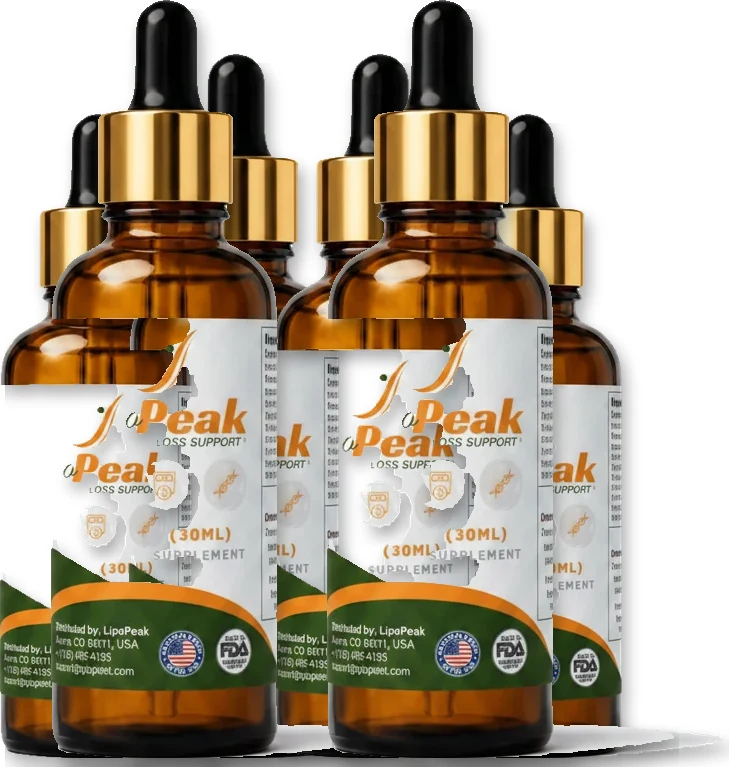
Thinking about trying LipoPeak?
See the full ingredient breakdown and today's pricing — and remember to keep stimulant timing early in the day.
Get Offer