Best Time to Take a Fat Burner for Results
Timing a fat burner is not magic, but a few sensible rules genuinely help — mainly by putting the caffeine to work when you can use the energy and keeping it far away from your sleep. Here is what actually matters, and what matters far less than the labels suggest.
When is the best time to take a fat burner?
Take a fat burner in the morning or 30 to 45 minutes before a workout, when its caffeine can support energy and fat oxidation while you are active. Avoid doses within six to eight hours of bedtime, since disrupted sleep undermines weight loss more than good timing ever helps it.
- Morning or pre-workout is the sweet spot for stimulant-based formulas.
- Late doses risk poor sleep, which quietly works against fat loss.
- Daily consistency and a calorie deficit outweigh perfect timing.

Does timing actually matter?
It is worth being honest right away: timing is a minor lever, not the main event. The size of your calorie deficit, how consistent you are week to week, and how well you sleep will decide your results far more than whether you swallow a capsule at 7am or 9am. Most so-called fat burners are, at their core, caffeine plus a handful of ingredients with small thermogenic or appetite effects. Because caffeine is the active driver in most of them, "when to take a fat burner" is really a question about when caffeine helps and when it hurts.
That reframing is useful because caffeine has two well-documented effects that matter here. First, it can slightly raise energy expenditure and support fat oxidation — the body leaning a little more on fat as fuel. Second, it is a stimulant with a long half-life, meaning it lingers in your system for hours. Good timing simply means catching the first effect while avoiding the second, and doing so day after day.
The morning case
For most people, a morning dose is the safest default. Taken early, a fat burner's caffeine has the whole day to clear before bedtime, so it is far less likely to interfere with sleep. Morning is also when many people appreciate the alertness boost, which can make it easier to stay active and stick to a plan. If you are the kind of person who trains in the afternoon or evening, though, a straight morning dose may leave the energy effect spent by the time you need it — which is where the pre-workout window comes in.
The pre-workout window
Taking a fat burner roughly 30 to 45 minutes before exercise is popular for a good reason: that lines the caffeine peak up with your training. Caffeine before a workout is one of the better-supported ergogenic effects in all of sports nutrition — it can reduce perceived effort and help you push a little harder, which means more work done and, over time, more calories burned through the training itself. The modest fat-oxidation nudge is a bonus on top. The important nuance is that the benefit here comes mostly from training better, not from the pill "melting" fat while you sit still.
Think of pre-workout timing as a way to get more out of your session, not as a substitute for the session. The exercise does the work; the caffeine just helps you show up sharper.

Why late doses backfire
The single biggest timing mistake is taking a stimulant fat burner too late in the day. Caffeine's half-life means a meaningful fraction can still be circulating six to eight hours after you take it, and for slow metabolizers it lingers even longer. A late-afternoon or evening dose can quietly erode both how quickly you fall asleep and how deep that sleep is. This matters more than it sounds, because short or poor sleep is consistently associated with increased appetite, stronger cravings for calorie-dense food, and a harder time holding a deficit. In other words, a badly timed dose can undo more than the ingredient ever adds. If you train at night, use a stimulant-free option or skip the dose rather than sabotage your sleep.
Empty stomach versus with food
People often ask whether a fat burner should be taken on an empty stomach. On an empty stomach, caffeine is absorbed a little faster and can feel stronger, which some find useful before a workout and others find unpleasant. If a dose leaves you nauseous, jittery or lightheaded, taking it with a small meal smooths the curve without meaningfully blunting the effect. There is no universal rule here — it is a tolerance question, and the best answer is whichever version you can take comfortably and repeat every day. Comfort is what makes a routine sustainable, and sustainability is what makes any of this work.
Rest days and cycling stimulants
Rest days are a natural point of confusion. If a fat burner's main job on training days is to support energy for a workout, do you still need it when you are not training? You do not have to take it, and rest days can be a sensible time to give your body a break from stimulants. Some people take the product daily for the appetite and thermogenic effects and the simplicity of a fixed habit; others take nothing, or a smaller amount, on days off. Both approaches are reasonable.
Cycling stimulants matters because tolerance is real. Take caffeine every single day at the same dose and your body adapts, so the same amount does less over time. Building in stimulant-free days — or cycling off a stimulant product entirely for a week or two every four to eight weeks — helps keep a normal dose effective and gives you a clean read on how much the supplement is really contributing. If you have to keep raising the dose to feel anything, that is your cue to step back rather than escalate.
Consistency beats clever timing
Here is the part most timing guides bury: the best "time" to take a fat burner is whenever you will actually take it, every day, without it wrecking your sleep. A perfectly optimized 45-minute pre-workout window that you follow twice and then forget is worth less than a boring morning habit you keep for twelve weeks. Supplements in this category only ever tilt the maths at the margins, and margins only add up with repetition. Anchor the dose to something you already do daily — breakfast, your commute, or your warm-up — and let the calorie deficit, movement and sleep do the heavy lifting.
How this fits LipoPeak
LipoPeak is a liquid formula built around green tea and cayenne, so its caffeine content is gentler than a hardcore stimulant pre-workout, but the same principles apply: take it earlier in the day or before activity, keep it away from bedtime, follow the label's serving guidance, and judge it over 8 to 12 weeks rather than days. If you are stimulant-sensitive, start with the timing that protects your sleep first and optimize from there. No timing trick turns a modest supporting ingredient into a shortcut — it just helps you use what the ingredient offers.
What timing can and cannot buy you
Two things about caffeine are established well enough to plan around. First, it helps you train better: an umbrella review of 21 published meta-analyses in the British Journal of Sports Medicine found consistent, if generally modest, improvements in exercise performance. Second, its effect on fuel use is real but small — a 2023 systematic review and meta-analysis of caffeine and fat metabolism found an increase in fat oxidation that is measurable in a laboratory and easy to lose in the noise of a normal day. Lining a dose up with a session you are actually going to do is therefore the one timing decision that pays.
The cost side is where timing does the most damage. The classic sleep-curtailment experiment by Spiegel and colleagues found that restricting sleep in healthy young men lowered leptin, raised ghrelin and increased hunger and appetite — an effect comfortably large enough to swamp anything a thermogenic ingredient adds. A dose taken at 5pm that costs you 45 minutes of sleep is a net loss, however well the label reads.
Put bluntly: timing protects a small benefit and avoids a large penalty, and that is all it does. The dose itself matters more than the clock, which is the subject of our caffeine and fat oxidation dosage guide. The penalty side is unpacked in the sleep and weight loss connection, and before you raise a dose to chase an effect, read the fat burner side effects and safety checklist. If you are hoping a well-timed dose replaces the session entirely, the honest answer is in do fat burners work without exercise.
The honest bottom line
Timing a fat burner well comes down to two rules and one caveat. Rule one: take it in the morning or 30 to 45 minutes before exercise, so the caffeine supports energy when you can use it. Rule two: keep every dose out of the six-to-eight-hour window before sleep. The caveat: none of this matters much without a genuine calorie deficit and consistent training and sleep behind it. Time it sensibly, cycle off stimulants occasionally, and treat the supplement as the small nudge it is.
Sources
- NIH Office of Dietary Supplements — Dietary Supplements for Weight Loss
- NIH Office of Dietary Supplements — Caffeine and athletic performance
- CDC — Sleep and health
- Grgic J, et al. Wake up and smell the coffee: caffeine supplementation and exercise performance-an umbrella review of 21 published meta-analyses. Br J Sports Med. 2020. PMID 30926628
Frequently asked questions
Should I take a fat burner before or after eating?
Either can work, and the right choice depends on your stomach. Taking a fat burner on an empty stomach can make the caffeine feel stronger and hit faster, which some people like before a workout but others find causes nausea or jitters. If it upsets your stomach, take it with a small meal. Consistency matters far more than the empty-stomach question.
Is it bad to take a fat burner at night?
For any product containing caffeine or other stimulants, an evening dose is a poor idea. Caffeine has a long half-life, so a late dose can still be in your system at bedtime and disrupt sleep. Because poor sleep is linked to increased appetite and harder weight management, a night dose can quietly work against you. Keep stimulant doses to the first half of the day.
Should I take a fat burner on rest days?
You can, but rest days are a good chance to give your body a break from stimulants. Many people take the product every day for consistency, while others skip the workout-timed dose and take nothing, or a lower amount, on rest days. Neither is wrong. If you notice tolerance building, occasional stimulant-free days can help reset it.
How often should I cycle off a fat burner?
There is no official schedule, but a common, sensible approach is to cycle off stimulant-based products for a week or two every four to eight weeks. This helps limit caffeine tolerance so a normal dose keeps its effect. It also gives you a clear read on how much the supplement was actually doing versus your diet and training. Always follow the label and talk to a healthcare professional.
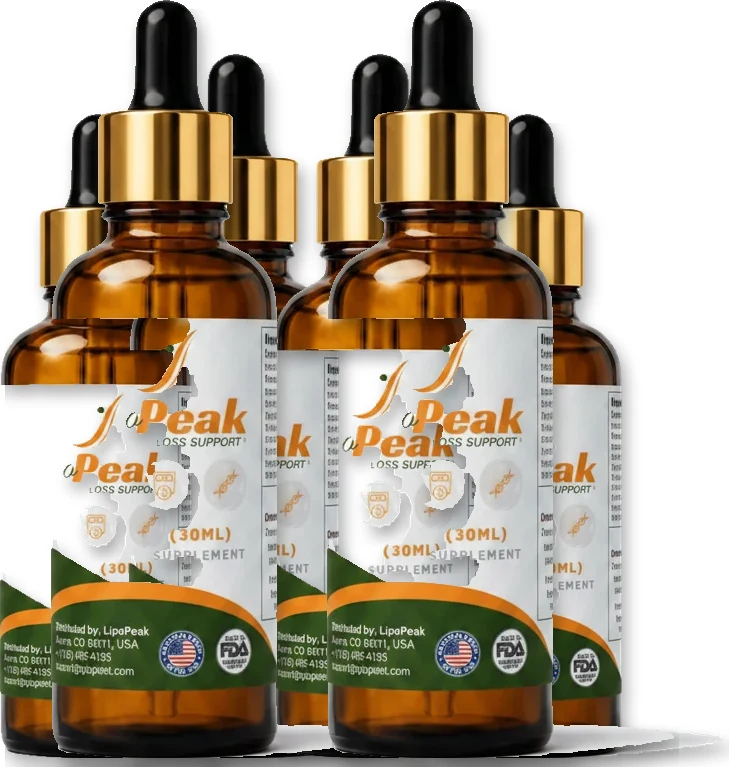
See the full LipoPeak review
The complete ingredient breakdown, the honest limitations, and today's pricing on the official store.
Get Offer