Caffeine and Fat Oxidation: A Practical Dosage Guide
Caffeine is the most reliable over-the-counter compound for nudging metabolism upward. It genuinely raises resting energy expenditure and fat oxidation — but the dose, the timing and your own tolerance decide whether that nudge is useful or just makes you jittery. Here is how to use it well.
How much caffeine helps with fat loss?
For most adults, roughly 3 to 6 milligrams of caffeine per kilogram of body weight raises resting energy expenditure and fat oxidation modestly — about 200 to 400 milligrams for a 70 kg person. The effect is real but small, it fades with tolerance, and it never replaces a sustained calorie deficit.
- Effective range: 3–6 mg per kg of body weight, not "as much as you can handle".
- Take it about 45 minutes before training for the clearest performance benefit.
- Protect sleep first — late, high doses undo more than the metabolism gains.
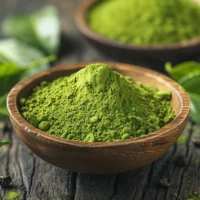
What caffeine actually does to fat metabolism
Caffeine is a stimulant that blocks adenosine receptors in the brain, which is why it makes you feel more alert. That same signalling has knock-on effects in the rest of the body: a small rise in circulating adrenaline, a modest bump in heart rate and body temperature, and an increase in the rate at which stored fat is broken down into free fatty acids that can be used for fuel. In plain terms, caffeine tilts your metabolism very slightly toward burning fat and slightly raises the number of calories you spend at rest.
The effect is measurable in a lab. Controlled studies consistently show a small increase in resting energy expenditure after a caffeine dose, and higher fat oxidation both at rest and during light-to-moderate exercise. The honest caveat is scale: we are talking about tens of extra calories across a day, not hundreds. Caffeine is a lever that tilts the maths in your favour at the margins. It is not an engine that creates weight loss on its own, and no responsible reading of the evidence claims it can.
The effective dose range: 3 to 6 mg per kilogram
Almost every study that finds a benefit — whether for fat oxidation, endurance or strength — lands in a narrow window: roughly 3 to 6 milligrams of caffeine per kilogram of body weight. That is the range worth anchoring to, because it captures nearly all of the upside while keeping side effects manageable for most people. Doses above about 6 mg/kg rarely add measurable benefit; they mostly add jitteriness, a racing heart and disrupted sleep.
Translating that into real numbers helps. Work out your body weight in kilograms and multiply.
| Body weight | Low end (3 mg/kg) | Upper end (6 mg/kg) |
|---|---|---|
| 60 kg (132 lb) | ~180 mg | ~360 mg |
| 70 kg (154 lb) | ~210 mg | ~420 mg |
| 80 kg (176 lb) | ~240 mg | ~480 mg |
| 90 kg (198 lb) | ~270 mg | ~540 mg |
For reference, a standard cup of brewed coffee has roughly 80 to 120 mg of caffeine, and a cup of green tea around 30 to 50 mg. Most people reach the low end of the effective range with one to two coffees. If you are sensitive, start at the bottom of your range and only move up if you tolerate it comfortably. General safety guidance from health authorities puts around 400 mg per day as a reasonable ceiling for most healthy adults — which, notably, sits right at the top of the effective range rather than beyond it.
Timing: when to take caffeine around a workout
Caffeine appears in the bloodstream quickly and peaks roughly 30 to 60 minutes after you take it. If your goal is to feel it during a training session — more perceived energy, slightly better output, a nudge toward fat oxidation during lighter cardio — taking it about 45 minutes beforehand is a sensible default. There is nothing magical about that number; it simply lines up peak blood levels with the middle of a typical workout.
Two practical notes. First, caffeine on a relatively empty stomach hits faster and harder, which some people like and others find uncomfortable; if it upsets your stomach, take it with a small amount of food. Second, and more importantly, respect the clock. Caffeine has a long half-life — commonly around five to six hours — meaning a mid-afternoon dose can still be half-active at bedtime. If you train in the evening, a pre-workout hit of caffeine is one of the most common hidden causes of poor sleep.

Does caffeine still work once you are tolerant?
This is the question that matters most for daily coffee drinkers, and the answer is nuanced. Tolerance to caffeine is real, but it does not affect every effect equally. The subjective stimulant lift — that obvious "kick" — fades noticeably within a week or two of regular use. The metabolic and performance effects appear to be more durable: habitual users still show fat-oxidation and exercise benefits, just somewhat blunted compared with a caffeine-naive person taking the same dose.
In practice this means you do not need to feel a dramatic buzz for caffeine to be doing something useful at the metabolic level. It also means chasing the buzz by escalating your dose is usually counterproductive: you build tolerance faster, push into side-effect territory, and gain little. A steadier approach — a consistent, moderate dose — keeps more of the benefit with fewer downsides.
When (and whether) to cycle caffeine
Cycling caffeine — taking a planned break of several days to a couple of weeks — is often recommended to "reset" tolerance. The evidence here is thinner than the confident advice you will read online. A break does restore some of the acute stimulant sensitivity, so if you specifically want the pre-workout kick back before an event or a hard training block, a short deload from caffeine can help. For the metabolic contribution, the case for strict cycling is weaker.
A reasonable middle path: keep your daily dose in the effective range, avoid creeping upward, and if you notice you are relying on ever-larger amounts just to feel normal, take a few lower-caffeine days. Expect a day or two of headaches and low energy during a cut — that is withdrawal, not a sign anything is wrong. It passes.
The real downsides: sleep and stimulant sensitivity
If caffeine has a way of quietly sabotaging fat loss, it is through sleep. Short or poor sleep is linked with higher appetite, stronger cravings for calorie-dense food, and lower next-day activity — all of which make holding a calorie deficit harder. A few tens of calories of extra heat production do not come close to offsetting the effect of one badly disrupted night. If you take only one thing from this guide, let it be this: do not let caffeine cost you sleep.
Individual sensitivity also varies a great deal, partly for genetic reasons. Some people metabolise caffeine slowly and feel a single afternoon coffee for the rest of the day; others clear it quickly. Anxiety, a pounding heart, or a wired-but-tired feeling are signals to cut back, not to push through. People who are pregnant or nursing, who have a heart condition or high blood pressure, or who take medication should be especially cautious and speak to a qualified healthcare professional before using caffeine deliberately for fat loss.
Where LipoPeak fits in
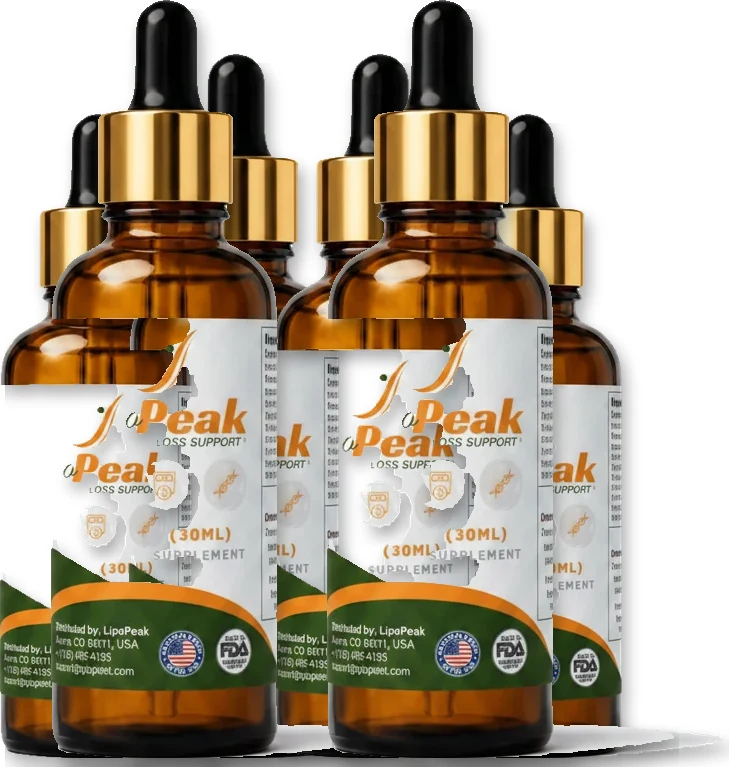
LipoPeak combines caffeine-adjacent thermogenic ingredients — green tea and cayenne among them — with other supporting compounds. The honest framing is the same one we apply to caffeine itself: these are minor levers. If a product like LipoPeak has a place, it is as a small, consistent nudge layered on top of the things that actually determine results — a sustained calorie deficit, adequate protein, resistance training, and sleep. Used that way, and judged over 8 to 12 weeks rather than days, a thermogenic can be worth having in perspective. Sold as a shortcut, it is not.
How large is the caffeine effect, really?
The best single answer comes from Does Caffeine Increase Fat Metabolism? A Systematic Review and Meta-Analysis, which aggregated 94 studies and found that caffeine does increase fat metabolism — genuinely, and without the effect depending much on dose — but with a pooled effect size the authors themselves call small. The performance side is better supported still: an umbrella review of 21 meta-analyses found consistent benefits for exercise performance, which is arguably the more useful route to fat loss, because it lets you do more work.
Pairing matters as well as dose. A meta-analysis of catechin-rich teas plus caffeine found that the mixture and caffeine alone both raised 24-hour energy expenditure by around 4.7 per cent, but that only the catechin-caffeine mixture significantly increased 24-hour fat oxidation. That is the mechanistic reason green tea extracts are usually sold with their caffeine intact rather than stripped out. What the literature does not show is a dose above which the effect becomes large. Past roughly the studied range you buy side effects rather than results, and tolerance quietly erodes what you started with.
So treat the milligram figure as a floor and a ceiling rather than a dial to keep turning. The wider category this sits inside — and its realistic calorie arithmetic — is explained in how thermogenic fat burners actually work. The single easiest way to waste a well-chosen dose is to take it late, which is covered in the sleep and weight loss connection and, more practically, in our guide to the best time to take a fat burner.
Sources
- NIH Office of Dietary Supplements — Dietary Supplements for Weight Loss
- EFSA — Scientific opinion on the safety of caffeine
- Conger SA, et al. Does Caffeine Increase Fat Metabolism? A Systematic Review and Meta-Analysis. Int J Sport Nutr Exerc Metab. 2023. PMID 36495873
- NIH NCCIH — Green Tea: Usefulness and Safety
Frequently asked questions
How much caffeine helps with fat loss?
Most studies use about 3 to 6 milligrams of caffeine per kilogram of body weight, which is roughly 200 to 400 milligrams for a 70 kilogram adult. Within that range caffeine reliably raises resting energy expenditure and fat oxidation by a modest amount. Going higher rarely adds benefit and usually just adds side effects.
Does caffeine still work if I'm tolerant to it?
Partly. Regular users keep some of the fat-oxidation and performance benefits, but the noticeable stimulant lift fades as the body adapts. The metabolic effect appears more durable than the subjective buzz, so daily coffee drinkers still get something, just less than a caffeine-naive person would from the same dose.
When should I take caffeine for a workout?
Caffeine peaks in the blood roughly 30 to 60 minutes after you take it, so taking it about 45 minutes before training is a reasonable default. If you exercise in the afternoon or evening, be aware that caffeine has a long half-life and can still disrupt sleep six to eight hours later.
Can too much caffeine stall weight loss?
Indirectly, yes. Excess caffeine mainly harms sleep, and poor sleep raises appetite, cravings and next-day fatigue, which makes staying in a calorie deficit harder. Caffeine does not burn enough extra calories to offset that. If higher doses are wrecking your sleep, you are likely working against your own goal.
Related reading
- How Thermogenic Fat Burners Actually Work
- The Best Time to Take a Fat Burner
- The Sleep and Weight Loss Connection
- Fat Burner Side Effects and Safety
See the full LipoPeak review
The complete ingredient breakdown, the honest limitations, and today's pricing.
Get Offer