7 Weight Loss Supplement Myths Debunked
The weight loss aisle runs on hope, and hope sells copy that outruns the science. Here are seven of the most persistent supplement myths — the pills that "melt" fat, the "detox" teas, the promise of faster being better — each checked against what the evidence actually supports and anchored with realistic numbers.
What is the truth about weight loss supplements?
Weight loss supplements are marginal helpers, not solutions. No pill melts fat; fat is lost through a sustained calorie deficit. The best thermogenic ingredients add only around 50–100 extra calories of burn a day, and a safe, lasting rate of loss is about 1–2 pounds per week. Faster is rarely better.
- No supplement dissolves body fat on its own — the deficit does the work.
- Thermogenics contribute tens of calories a day, easily erased by one snack.
- "Detox," "spot reduction" and "faster" are marketing, not physiology.

Few product categories bend the truth quite like weight loss supplements. The promises are big, the before-and-after photos are dramatic, and the fine print is quiet. The result is a set of beliefs that feel like common knowledge but do not survive contact with the evidence. Below we take the seven that come up most often, explain where each one goes wrong, and attach the kind of realistic numbers that marketing tends to leave out. None of this is a reason to feel cynical about your own goals — it is a reason to spend your money and effort where they actually pay off.
Myth 1: A pill can melt your fat away
This is the foundational myth, and every other one leans on it. The image is seductive: swallow a capsule, and stored fat simply dissolves. Physiology does not work that way. Fat is stored chemical energy, and the only way the body draws it down is by running an energy deficit — spending more than you take in — so that it breaks down fat to cover the shortfall. A pill cannot reach into an adipose cell and remove fat that the rest of your energy balance is telling the body to keep.
What the better-studied ingredients can do is far smaller and far less cinematic. Some nudge the amount of energy you burn slightly upward, some blunt appetite a little, and some influence how you handle glucose. Each of these can help at the margins, but the deficit is still doing the work. When a label shows fat visibly vanishing with no mention of diet, it is describing marketing, not metabolism.
Myth 2: Thermogenics can replace your diet
"Thermogenic" simply means heat-producing, and the category — caffeine, green tea catechins, cayenne and similar — does have a real, measurable effect on energy expenditure. The problem is the size of that effect. Across the research, a genuine thermogenic ingredient stack tends to raise daily energy burn by something in the region of 50 to 100 calories. That is not nothing over months, but it is not a diet, either. One handful of nuts or a single sweetened coffee can erase the entire day's thermogenic "bonus" in a couple of minutes.
A thermogenic that adds 50–100 calories a day is a rounding error next to what you eat. Treated as a small tailwind it is honest; treated as a substitute for the deficit it is a trap.
There is also the matter of tolerance. Much of the thermogenic effect rides on caffeine, and the body adapts to caffeine over weeks, so the modest bump tends to shrink the longer you use it. Thermogenics can be a reasonable small assist on top of a controlled diet. They cannot stand in for one.
Myth 3: "Detox" teas clean fat out of your body
Detox teas are among the most heavily marketed and least defensible products in the category. The pitch imagines fat and "toxins" being flushed out. The reality is that your liver and kidneys already handle waste around the clock, and there is no reservoir of fat waiting to be rinsed away by a herbal blend. When people do see the scale drop quickly on a detox tea, they are usually seeing water loss and, in the many products that contain senna or other stimulant laxatives, the temporary emptying of the bowel. Both return within days of normal eating and drinking.
The downside is real. Laxative-based teas can cause cramping, dehydration and, with prolonged use, disruption of normal bowel function and electrolyte balance. A product that makes you visit the bathroom is not burning fat; it is moving water and waste, sometimes at a cost to your health. If a "detox" claim is the headline feature, treat that as a reason to be more skeptical, not less.
Myth 4: A supplement can target where you lose fat
Spot reduction — the idea that a product (or an exercise) can strip fat from your belly, arms or thighs specifically — is one of the most durable fitness myths, and supplements borrow it constantly with talk of "belly fat" formulas. The body does not work by region. Where you store fat, and the order in which you lose it, is governed largely by genetics and hormones, not by which capsule you swallow or which area you rub a cream on. As you run an overall deficit, fat comes off your whole body in a pattern that is mostly out of your hands.
This matters because "targeted" claims are a reliable marker of a product that is selling a fantasy. No oral supplement has been shown to preferentially remove fat from one body part. A formula might support your overall effort a little; it cannot choose your problem area for you.
Myth 5: Faster weight loss is better weight loss
Crash results feel like winning, so "lose 10 pounds this week" outsells "lose a pound or two a week." But the widely recommended pace — roughly one to two pounds per week — exists for good reasons. Faster loss is disproportionately water and lean muscle rather than fat, and losing muscle lowers the very metabolic rate you are trying to keep high. Very aggressive deficits are also harder to sustain, more likely to end in a rebound, and associated with side effects ranging from fatigue and hair thinning to a higher risk of gallstones.
Supplements that promise dramatic speed are, at best, promising water weight and, at worst, relying on harsh diuretics or laxatives to produce a number on the scale that means nothing about fat. A steady 1–2 pounds a week is not a consolation prize. It is the version of weight loss that tends to actually stay gone.
Myth 6: "Natural" means safe and side-effect-free
"Natural" is a marketing word, not a safety rating. Plenty of natural compounds are potent, and potent compounds have effects and interactions. Green tea extract carries caffeine and, in very high concentrated doses, has raised liver-safety questions. Berberine commonly causes digestive upset and can add to the effect of blood-sugar medication. Even caffeine, natural as it is, can cause jitters, a raised heart rate and disrupted sleep. None of that makes these ingredients bad — it makes them ingredients, which deserve the same respect as anything else you put in your body.
The other half of this myth is regulatory. In the United States, supplements are not approved for safety and effectiveness before sale the way medicines are; the manufacturer is largely responsible for those claims. "Natural" and even "FDA registered facility" say nothing about whether a product does what the label implies. Read ingredients and doses, and talk to a healthcare professional before starting anything, particularly if you take medication or manage a health condition.
Myth 7: More ingredients means a better formula
Long ingredient lists look impressive and imply thoroughness, so "proprietary blends" pile in a dozen exotic-sounding names. In practice, more is often a way to hide less. When a label lists many ingredients under a single "proprietary blend" total, you usually cannot see how much of each you are getting — and the effective dose from the research is frequently far higher than what a crowded blend can deliver. A formula with fifteen ingredients at a pinch each can easily be weaker than one with three ingredients at studied doses.
The signal to look for is not quantity but transparency: named ingredients, disclosed amounts, and doses that line up with what the human studies actually used. A shorter, honest label almost always beats a long, vague one. If you cannot tell how much of anything you are taking, you cannot judge whether it can do anything at all.
How this fits LipoPeak
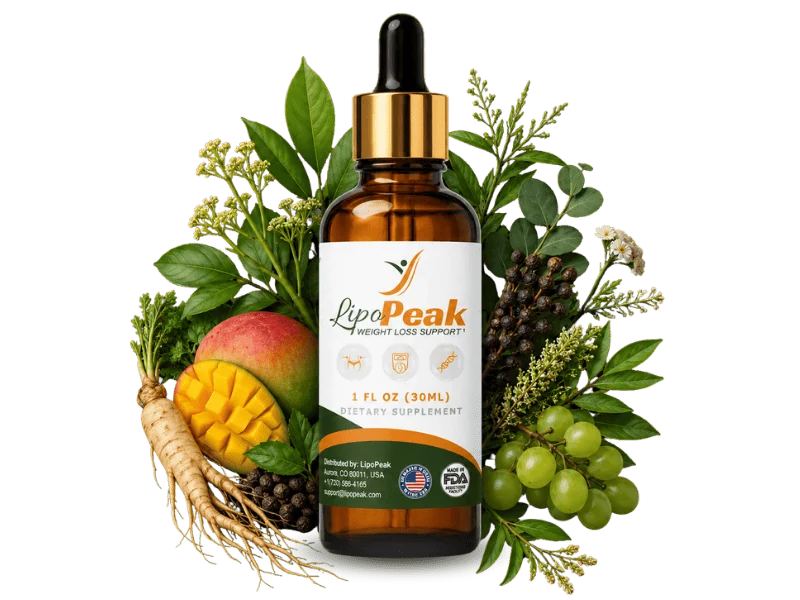
We hold LipoPeak to the same standard as everything else in this category. It leans on better-studied thermogenic and metabolic ingredients — green tea, cayenne, chromium, raspberry ketones and an L-carnitine and L-tyrosine complex — and the honest framing is that a formula like this is a small tailwind, not an engine. If you buy it, buy it as the marginal helper described above: a modest assist on top of a real calorie deficit, adequate protein, movement and sleep. Any product, ours included, that is sold to you as a way around those fundamentals has crossed from information into the myths on this page.
The three findings that dismantle most supplement claims
Take them in order. First, whole thermogenic products have been tested as products: a 2023 study of chronic thermogenic supplement consumption in Nutrients found that four weeks of a multi-ingredient thermogenic maintained resting energy expenditure but produced no difference in body composition. Second, the best-evidenced ingredient in the category has been reviewed by Cochrane — Green tea for weight loss and weight maintenance in overweight or obese adults concluded the weight change was small and not clinically important. If the strongest ingredient produces that, the weaker ones are not hiding a bigger result.
Third, and most decisively, body weight follows energy balance in a way that has been modelled: Hall and colleagues in The Lancet described how a sustained change in intake produces a change in weight over time. There is no term in that model for a capsule, which is why claims about melting fat, detoxing fat out of the body or targeting where you lose it are not merely unproven — they contradict how the system is known to work.
None of this makes supplements fraudulent by default; it makes their honest role small and specific. What that small role looks like in practice is set out in how thermogenic fat burners actually work, the without-exercise version of the question is answered in do fat burners work without exercise, and if you are evaluating one particular product's testimonials right now, our guide to what LipoPeak reviews can and cannot tell you applies these same three tests to it.
The honest bottom line
Strip away the seven myths and a simple picture remains. Fat is lost through a sustained energy deficit of roughly 1–2 pounds a week; thermogenics add only tens of calories to that; "detox," "targeted" and "faster" are stories, not mechanisms; "natural" is not a safety guarantee; and a long ingredient list is not a strong one. Supplements can play a small, legitimate supporting role for some people. They earn that role by being honest about their size — and so should the claims around them.
Sources
Frequently asked questions
Do weight loss pills actually melt fat?
No pill melts fat directly. Fat is lost when the body runs an energy deficit and breaks down stored fat for fuel over time. The best-studied supplement ingredients nudge that process at the margins — a small rise in energy burned, a slightly steadier appetite — but the deficit does the work. Anything advertising fat that vanishes on its own is overselling.
Are detox teas good for weight loss?
Detox teas do not remove fat, and the body has no fat that needs detoxing — your liver and kidneys already handle waste. Much of the early weight change from these teas is water and, when they contain senna or other laxatives, bowel contents that return quickly. They can also cause cramping and dehydration, so they are a poor and sometimes risky weight tool.
Can a supplement replace diet and exercise?
No. Every credible weight loss result still comes down to a sustained calorie deficit, and supplements are marginal helpers on top of that. Even effective thermogenic ingredients add only roughly fifty to a hundred calories of extra burn a day — easily erased by one snack. Diet, movement and sleep are the engine; a supplement is at most a small assist.
Is faster weight loss better?
Faster is not better. A rate of about one to two pounds a week is the widely recommended range because it is more sustainable and preserves more muscle. Very rapid loss often means more water and lean tissue, a higher chance of rebound, and side effects like fatigue or gallstones. Slow, steady change is far more likely to last.
See the full LipoPeak review
The complete ingredient breakdown, the honest limitations, and today's pricing on the official store.
Get Offer