How Thermogenic Fat Burners Actually Work
"Thermogenic" is one of the most-used words in supplement marketing and one of the least explained. Here is the real mechanism — how caffeine, capsaicin and green tea nudge your body to give off a little more heat — and the honest size of the effect once the hype is stripped away.
How do thermogenic fat burners work?
Thermogenic means heat-producing. Ingredients like caffeine, capsaicin from cayenne and green tea catechins slightly raise resting energy expenditure and fat oxidation, so your body burns a little more fuel as heat. The realistic gain is tens of extra calories a day — a small edge on top of diet and training, never a shortcut.
- They raise resting energy expenditure and shift fuel use toward fat.
- Cayenne may add roughly 50–100 extra calories a day — modest, not magic.
- The effect only matters on top of a genuine calorie deficit.

What "thermogenesis" actually means
Thermogenesis is simply the production of heat by the body. You are doing it right now: a large share of the calories you burn each day is released as heat rather than movement. Your total daily energy expenditure is made up of your resting metabolic rate (the cost of keeping you alive at rest), the energy used to digest and process food, and the energy used in physical activity. Thermogenic ingredients try to lift the first two of those a little — nudging resting expenditure upward and increasing the small metabolic cost that follows eating.
The word gets abused because it sounds powerful. In reality, "thermogenic" describes a direction, not a magnitude. An ingredient can be genuinely thermogenic and still make almost no difference to your weight if the extra heat it produces is a rounding error against your daily calorie balance. So the useful question is never "is it thermogenic?" but "how much heat, and does that translate into anything I can see?"
The three ingredients that carry the category
Most credible thermogenic formulas are built on some combination of three ingredients, each with a slightly different mechanism.
Caffeine. The workhorse. Caffeine stimulates the central nervous system and increases the release of adrenaline-type signals, which raises energy expenditure and promotes the breakdown of stored fat so it can be used as fuel. It also reduces perceived effort during exercise, which can indirectly help you do more. The catch is tolerance: regular use blunts the metabolic bump over time, and the stimulant side effects are the main downside of the whole category.
Capsaicin, from cayenne and chilli. Capsaicin is the compound that makes peppers hot, and that heat is not just a sensation — it reflects a real, if small, rise in energy expenditure. Studies suggest capsaicin can modestly increase calorie burn and, in some trials, slightly reduce appetite and food intake in the hours after a dose. A realistic figure often cited is on the order of 50 to 100 extra calories a day.
Green tea catechins. Green tea's catechins, especially EGCG, work alongside its natural caffeine to support fat oxidation and a small thermogenic effect. Green tea is arguably the best-studied food-derived ingredient in this space, and even here the honest verdict is "modest."
Think of thermogenics as three small taps on the same lever. Individually each is minor; together they can tilt the daily maths slightly — but only when a deficit already exists.

The number that matters: how much extra do they burn?
This is where honesty separates useful information from marketing. Pooled across the research, the extra energy expenditure from thermogenic ingredients is measured in tens of calories a day, not hundreds. Cayenne might contribute somewhere around 50 to 100 calories; caffeine and green tea add their own modest bumps, and those effects overlap rather than simply stacking. To put that in perspective, 50 to 100 calories is a small snack or a short walk. It is real, and over many weeks it can matter at the edges of a fat-loss plan — but it is nowhere near enough to overcome a diet that is not already in deficit.
This is the single most important thing to internalise about thermogenics: they change the size of the edge, not the direction of the trend. If your calorie intake matches or exceeds what you burn, a few extra calories of heat production will not produce weight loss. If you are already eating in a modest deficit, they can make that deficit slightly larger, which over time is a genuine, if small, help.
Appetite, adrenaline and the indirect effects
The direct calorie burn is only part of the story. Caffeine and capsaicin both influence adrenaline-type signalling, which can modestly and temporarily reduce appetite in some people. If a thermogenic makes you slightly less hungry between meals, the calories you do not eat may matter more than the calories the supplement helps you burn. This effect is variable and tends to fade with habitual use, so it is best treated as a possible bonus rather than a reliable feature.
Safety, stimulants and daily use
Because the category leans heavily on caffeine, its risks are mostly stimulant risks: jitters, a raised heart rate, anxiety, disrupted sleep and, with regular use, tolerance. Stacking a thermogenic on top of coffee and energy drinks is an easy way to overshoot a comfortable caffeine dose without realising it. Non-stimulant thermogenic ingredients like capsaicin are gentler but can cause digestive discomfort in sensitive people. Anyone who is pregnant, nursing, sensitive to stimulants, taking medication, or managing heart or blood-pressure concerns should treat these products with caution and talk to a healthcare professional before daily use.
How LipoPeak fits the picture
LipoPeak is built around green tea and cayenne, which are two of the better-supported thermogenic ingredients, delivered in a liquid form. That is a reasonable foundation for this category, and it is more honest than formulas that pile in unproven "fat-melting" exotics. The right way to read a product like this is as a small, evidence-touched edge — the kind of thing that helps at the margin when the rest of your plan is doing the real work.
The number the category does not advertise
Thermogenesis is not a marketing invention. The meta-analysis The effects of catechin rich teas and caffeine on energy expenditure and fat oxidation found that catechin-caffeine mixtures raised 24-hour energy expenditure by roughly 4.7 per cent and increased 24-hour fat oxidation, and a systematic review and meta-analysis of capsaicinoids and thermogenesis in healthy adults put a figure on the red-pepper side: about 34 kcal a day of extra resting metabolic rate, pooled across 13 placebo-controlled trials. Two independent ingredient families, two real effects, both small.
The number that follows is the one packaging leaves out: roughly a hundred calories a day at the top of what those chamber studies measured, and about 34 for red pepper, against a daily turnover in the thousands. When whole products have been tested rather than isolated compounds — as in a 2023 study of chronic thermogenic supplement consumption in Nutrients — the result was maintained resting energy expenditure and no difference in body composition. Tolerance then erodes even that, which is why the honest way to read a thermogenic label is as a rounding error pointed in the right direction.
Used that way, it is a reasonable purchase; used as a substitute for the deficit, it is a waste. The ingredient evidence behind the two compounds that carry the category is in green tea and capsaicin for weight loss, the dose ranges that matter are in the caffeine and fat oxidation dosage guide, and the claims worth refusing outright are collected in weight loss supplement myths debunked.
The honest bottom line
Thermogenic fat burners are not a myth and they are not a miracle. Caffeine, capsaicin and green tea have a real mechanism — a small rise in energy expenditure and fat oxidation — and a realistic effect of tens of extra calories a day. Used as a minor edge on top of a sustained calorie deficit, movement and good sleep, they can help a little. Sold as a shortcut that works without those foundations, they are a disappointment waiting to happen. Set expectations at "small edge," give any product two to three months, and judge it against your overall trend rather than a single day on the scale.
Sources
- NIH Office of Dietary Supplements — Dietary Supplements for Weight Loss
- NIH NCCIH — Green Tea: Usefulness and Safety
- Hursel R, et al. The effects of catechin rich teas and caffeine on energy expenditure and fat oxidation: a meta-analysis. Obes Rev. 2011. PMID 21366839
- Jurgens TM, et al. Green tea for weight loss and weight maintenance in overweight or obese adults. Cochrane Database Syst Rev. 2012. PMID 23235664
Frequently asked questions
What does thermogenic mean in a fat burner?
Thermogenic means heat-producing. In a fat burner, it refers to ingredients that slightly raise the amount of energy your body gives off as heat and tilt it toward burning fat for fuel. Caffeine, capsaicin from cayenne and green tea catechins are the classic examples, and the effect is small rather than dramatic.
How many extra calories do thermogenics burn?
Realistically, tens of calories a day, not hundreds. Cayenne, for example, may add roughly 50 to 100 extra calories of daily energy expenditure, and caffeine and green tea contribute a similar modest bump. Over weeks this can help at the margin, but only when your diet is already creating a calorie deficit.
Do thermogenic supplements really work?
They have a real, measurable mechanism — a small rise in energy expenditure and fat oxidation — but the effect size is small and varies between people. They work best understood as a minor edge layered on top of diet, movement and sleep, not as a standalone solution that produces weight loss on its own.
Are thermogenic fat burners safe daily?
For many healthy adults, modest doses are generally well tolerated, but most thermogenics rely on caffeine, which can cause jitters, a raised heart rate, poor sleep and tolerance over time. People who are sensitive to stimulants, pregnant, nursing, taking medication or managing heart or blood-pressure issues should check with a healthcare professional first.
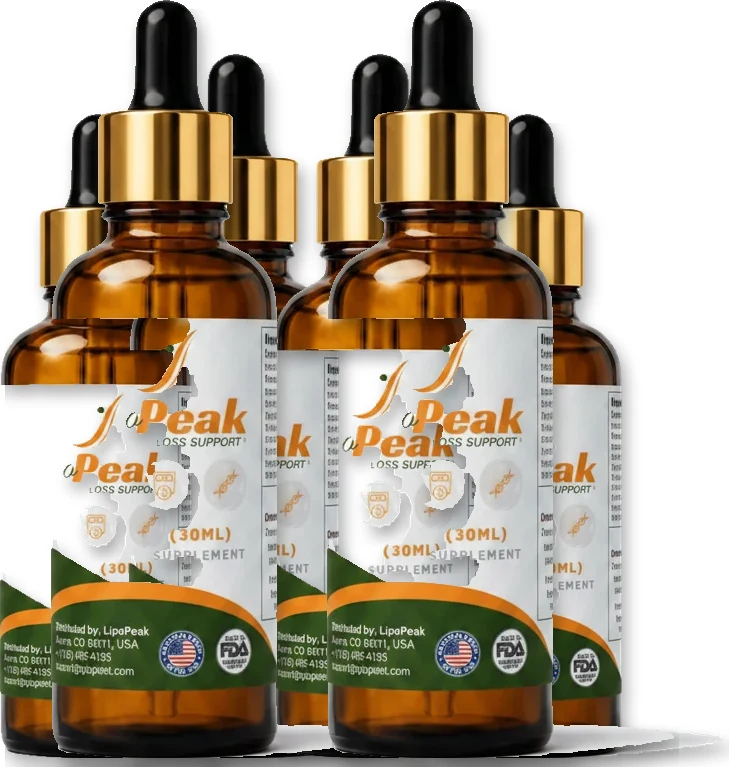
See the full LipoPeak review
The complete ingredient breakdown, the honest limitations, and today's pricing on the official store.
Get Offer