Do Fat Burners Work Without Exercise?
Short answer: a little, and only if your diet is doing its job. Fat burners add a small daily calorie burn and a mild appetite effect — useful at the margins, but no match for a calorie deficit. Here is what that really means if you are not planning to train.
Do fat burners work without exercise?
Only modestly. Thermogenic fat burners add roughly 50 to 100 extra calories burned per day and can mildly curb appetite, so they help at the margins. But real results still require a calorie deficit from diet. If your eating does not create that deficit, a fat burner alone will not produce meaningful weight loss, with or without a gym membership.
- Fat burners add a small daily burn, not a big one.
- A calorie deficit from diet is the real driver of fat loss.
- They amplify a good plan; they do not replace one.
The honest one-line answer
Yes, fat burners can "work" without exercise, in the narrow sense that their ingredients still have their small effects whether or not you train. But that sentence hides the important part. Losing fat is driven by a calorie deficit — consuming fewer calories than your body uses — and a fat burner only ever nudges that equation slightly. Take it while eating in a deficit and it can help a little. Take it while eating at or above maintenance and it does essentially nothing you can see. Exercise is one way to widen a deficit, but it is not the only way; careful eating can do it alone. So the real question is not "exercise or not" but "deficit or not."
What a fat burner actually adds
Strip away the marketing and a thermogenic fat burner does two measurable things. First, it can raise energy expenditure a little through thermogenesis — the body giving off slightly more heat — driven mostly by caffeine and, to a smaller degree, ingredients like green tea catechins and capsaicin. Second, some of those ingredients can modestly blunt appetite for a few hours, nudging you to eat a little less. Both effects are real, and both are small.
The most useful way to size the first effect is in calories. Across the research, the extra energy expenditure from thermogenic ingredients tends to land somewhere in the region of tens of calories a day — roughly 50 to 100 for many people, less for some. That is genuine, but it is also about the size of a short walk or a single small snack. It is not the hundreds of calories that would let a supplement overpower a diet on its own.
A fat burner is a rounding error compared with your diet, and a helpful one only when the diet is already pointed in the right direction.
Why the appetite effect might matter more
Interestingly, for people not exercising, the appetite side may be the more useful of the two. A modest reduction in hunger can make it easier to hold a calorie deficit, and holding the deficit is where most people struggle. If a supplement helps you eat one fewer snack or take slightly smaller portions without feeling deprived, the knock-on effect on your intake can outweigh the small direct calorie burn. The catch is that appetite effects are variable and can fade as tolerance builds, so they are a helpful assist rather than a reliable lever you can lean on.

The maths, spelled out
Let us make it concrete. Suppose a fat burner reliably adds 75 calories of daily burn and helps you eat 100 fewer calories on a good day. That is a 175-calorie swing — call it a couple of hundred at best. Spread across a week that is meaningful at the margin. But now suppose your diet is 400 calories over maintenance because you are "eating whatever you want." The supplement's contribution vanishes into that surplus, and the scale does not move, or it moves the wrong way. This is why fat burners are described as amplifiers: they magnify the direction you are already heading. Point the diet toward a deficit and they help; point it toward a surplus and they cannot save it.
Why they amplify effort rather than replace it
The framing that survives contact with the evidence is simple: fat burners amplify effort. If you are already eating in a deficit, the extra burn and mild appetite help can shave a little time off the process or make a plateau slightly easier to push through. If you put in no effort — no attention to portions, no deficit — there is nothing for the supplement to amplify. This is not a knock on the category; it is just what a small effect looks like honestly. Anyone selling a fat burner as a way to lose weight while eating freely and moving nothing is selling a story the numbers do not support.
Do you need exercise at all?
Not strictly, for weight loss. Plenty of people lose fat through diet alone, and a fat burner does not change that. But it is worth saying that exercise earns its place for reasons beyond the scale: it helps preserve muscle while you lose fat, supports mood and sleep, and improves general health in ways a supplement cannot touch. If your question is really "can I skip the gym and still lose weight," the answer is yes, with a disciplined diet. If your question is "can I skip the gym and the diet and still lose weight with a pill," the answer is no.
How this fits LipoPeak
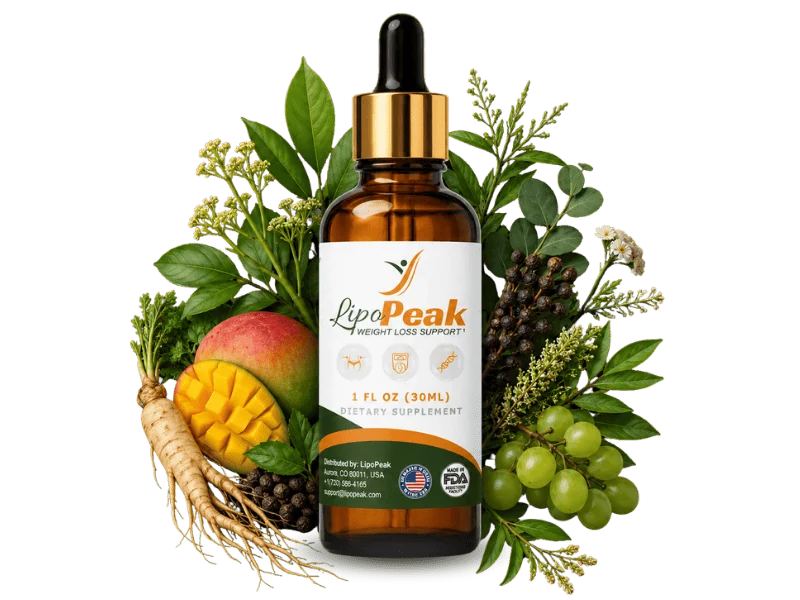
LipoPeak is built on green tea, cayenne and supporting ingredients, so it sits squarely in the "small-but-real" category described here. Whether or not you exercise, it will only do its modest job alongside a genuine calorie deficit. If you are not planning to train, put your energy into the diet first — that is where the results come from — and treat any supplement as a minor assist you judge over 8 to 12 weeks. Bought with that expectation, a modest helper is fine. Bought as a replacement for a deficit, it will disappoint.
What happens when the supplement is the only variable
The closest thing to a direct test is a controlled trial of a finished thermogenic product rather than an isolated compound. Chronic Thermogenic Dietary Supplement Consumption: Effects on Body Composition, Anthropometrics, and Metabolism ran one for four weeks in exercise-trained adults, and the outcome was the sober one: resting energy expenditure held steady in the supplemented group while it fell in the unsupplemented one, with no difference in body composition between them. That fits the mechanism data — the pooled analysis of caffeine and fat metabolism found a genuine rise in fat oxidation, but one small enough to vanish inside ordinary day-to-day variation in what you eat.
Put the arithmetic next to the modelling in Hall and colleagues on energy imbalance and bodyweight and the conclusion writes itself. A supplement that adds tens of calories of expenditure a day is competing with a single extra handful of nuts. Without a deficit it has nothing to add to; with one it is a rounding error that happens to point in the right direction — not nothing, but nowhere near what the packaging implies.
None of that makes exercise mandatory for weight loss, because diet creates the deficit. It does mean the honest ceiling on this category is low, and the mechanisms behind it are laid out in how thermogenic fat burners actually work. The thing that does the work is explained in calorie deficit basics, the claims to be sceptical of are collected in weight loss supplement myths debunked, and if you landed here while deciding about one specific product, our look at what LipoPeak reviews can and cannot tell you applies the same test.
The honest bottom line
Do fat burners work without exercise? A little, and only when your diet creates a calorie deficit. The direct burn is modest — on the order of 50 to 100 calories a day — and the appetite effect is mild and variable. Neither can overpower overeating. So if you are skipping the gym, do not skip the deficit: that is the part that actually moves the scale. A fat burner can ride along and help at the margins, but the work is still yours.
Sources
- NIH Office of Dietary Supplements — Dietary Supplements for Weight Loss
- CDC — Healthy weight and calorie balance
- NIH NCCIH — Green Tea: Usefulness and Safety
- Siedler MR, et al. Chronic Thermogenic Dietary Supplement Consumption: Effects on Body Composition, Anthropometrics, and Metabolism. Nutrients. 2023. PMID 38004200
Frequently asked questions
Can you lose weight with fat burners and no exercise?
You can, but only if your diet still creates a calorie deficit. Weight loss is driven by eating fewer calories than you burn, not by exercise specifically. A fat burner adds a small daily calorie burn and may slightly curb appetite, which can nudge that deficit along. Without the deficit, the supplement alone will not produce meaningful weight loss.
How much do fat burners help on their own?
On their own, the honest estimate is small: thermogenic ingredients typically add on the order of 50 to 100 extra calories burned per day, and appetite effects are mild and variable. That is real but modest, roughly the difference of a short walk or one small snack. It amplifies a good plan at the margins rather than replacing the plan.
Do I still need a calorie deficit with fat burners?
Yes. A calorie deficit is the non-negotiable part of losing fat, with or without a supplement. Fat burners work by nudging the same equation, adding a little to calories out and sometimes trimming calories in. If your overall intake matches or exceeds what you burn, no fat burner will create a deficit for you, so the diet has to do the heavy lifting.
Will fat burners work if I eat whatever I want?
Realistically, no. If you eat whatever you want with no attention to portions, your intake will usually erase the small burn a fat burner provides. Adding 50 to 100 calories of extra burn means nothing next to a few hundred extra calories eaten. Fat burners amplify effort; they do not cancel out overeating, so diet awareness still matters.
See the full LipoPeak review
The complete ingredient breakdown, the honest limitations, and today's pricing on the official store.
Get Offer