Fat Burner Side Effects and Safety Checklist
Most fat burners are caffeine with extras, and most of their side effects follow from that. Here is an honest run-through of what to watch for, who should steer clear, and the interaction cautions that matter — framed the only sensible way, as supplements that support effort, not medical treatments.
What are the main fat burner side effects to know?
The most common fat burner side effects are stimulant-related: jitters, anxiety, a raised heart rate, headaches and disrupted sleep, plus stomach upset from ingredients like cayenne. They are usually mild and dose-dependent. Fat burners are supplements, not treatments, so stick to the label and check with a healthcare professional first, especially if you take medication.
- Stimulant effects: jitters, raised heart rate, poor sleep, headaches.
- Digestive effects: heartburn or upset stomach from cayenne and similar.
- Avoid if pregnant, caffeine-sensitive, or managing a heart condition without medical advice.

First, what a fat burner actually is
The phrase "fat burner" makes these products sound like they do something dramatic to fat directly. In reality most are a blend built on caffeine, sometimes alongside green tea extract, cayenne (capsaicin), L-carnitine, chromium and a handful of other ingredients with small effects on energy expenditure or appetite. Understanding that matters for safety, because it tells you where the side effects come from: the stimulant load does most of the work, and it also causes most of the trouble. These are dietary supplements, which in the United States are not reviewed for safety and effectiveness before sale the way medicines are. That is not a scandal, but it does mean the burden of caution sits with you.
The common stimulant side effects
The everyday side effects of a thermogenic fat burner read like a list of caffeine's downsides, because that is largely what they are. The frequent ones include:
- Jitters and restlessness — a wired, shaky feeling, especially at higher doses or on an empty stomach.
- Anxiety or a racing mind — caffeine can amplify anxious feelings in people prone to them.
- A raised or pounding heartbeat — palpitations or a noticeably faster pulse.
- Headaches — both from the stimulant itself and, later, from caffeine withdrawal.
- Sleep disruption — the most underrated one, particularly when a dose is taken too late in the day.
Most of these are mild, temporary and dose-dependent, meaning they ease when you lower the dose or stop. They also vary enormously between people: some tolerate caffeine easily, while slow metabolizers feel a single dose for many hours. Sleep disruption deserves a special mention because it works against your goal — poor sleep is linked to greater appetite and harder weight management, so a supplement that wrecks your sleep can cost you more than it gives.
A simple rule of thumb: if a fat burner consistently makes you feel worse, the sensible move is to lower the dose or stop — not to push through it.
Digestive side effects from cayenne and friends
Beyond the stimulants, some ingredients bring their own effects. Cayenne and other capsaicin sources can cause a burning sensation, heartburn, or stomach upset in people with sensitive digestion, particularly on an empty stomach. Higher-dose green tea extracts have their own considerations that plain brewed tea does not carry. None of this is exotic — it is the same reason a very spicy meal bothers some people and not others — but it is worth anticipating so you can take the product with food if your stomach objects.

Who should not take fat burners
This is the part of the checklist that matters most. Some people should simply avoid stimulant fat burners, or only use them with explicit medical clearance:
- Anyone pregnant or breastfeeding.
- Anyone under 18.
- People who are sensitive to caffeine or who already consume a lot of it.
- People with heart conditions, high blood pressure or a history of arrhythmia.
- People with anxiety disorders, for whom stimulants can worsen symptoms.
- People with thyroid conditions or other chronic illness.
- Anyone taking prescription medication, until a pharmacist or doctor has checked for interactions.
This is not a scare list — it is a reflection of the fact that stimulants act on the cardiovascular and nervous systems, which is exactly why they can be a problem for people whose systems are already under strain or being managed with medication.
Interaction cautions worth taking seriously
Interactions are where "natural" products can quietly cause harm. Caffeine and stimulant ingredients can add to the effects of other stimulants, certain asthma medications, some antidepressants, and other drugs that affect heart rate or blood pressure. Chromium and other ingredients can matter for people managing blood sugar. The single most important habit is to bring the actual product label to a pharmacist or doctor and ask, rather than assuming that because something is sold over the counter it cannot interact with your prescriptions. It can.
Can fat burners raise blood pressure?
Yes — stimulant fat burners can raise both blood pressure and heart rate, because that is part of what caffeine and similar compounds do. In healthy people the increase is usually modest and passes as the dose clears. The concern is for anyone who already has elevated blood pressure or a heart condition, where even a modest, repeated rise is not something to add casually. If that describes you, treat these products as off-limits until a doctor tells you otherwise, and never combine several stimulant sources at once.
A practical safety checklist
If you have weighed all of the above and still want to try a fat burner, here is a sensible way to do it:
- Read the full label and note the caffeine content per serving.
- Start with a lower dose to assess tolerance before using the full amount.
- Take it earlier in the day; never within six to eight hours of bed.
- Do not stack it with other stimulant products or a lot of coffee.
- Take it with food if your stomach is sensitive.
- Track how you feel; stop if you get palpitations, chest pain, or severe anxiety.
- Cycle off stimulants periodically rather than escalating the dose.
- Check with a healthcare professional first if you have any condition or take medication.
Supplements are adjuncts, not treatments
The most important framing for safety is also the most honest one about results: fat burners are adjuncts. They are not medicines, they do not diagnose, treat, cure or prevent anything, and they cannot substitute for a calorie deficit, movement and sleep. Seen that way, the risk-versus-reward calculation gets clearer. You are weighing a set of real, if usually mild, stimulant side effects against a modest supporting effect. For some people that trade is worth it; for others it plainly is not. Either answer is fine — what is not fine is treating a supplement as a shortcut worth tolerating harm for.
How this fits LipoPeak
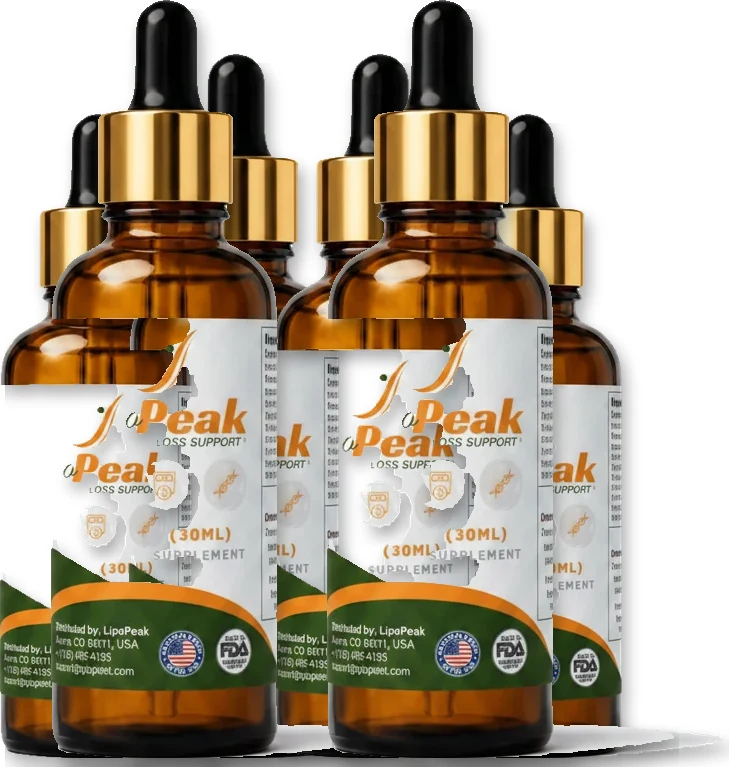
LipoPeak is a green-tea-and-cayenne-based liquid, so its stimulant load is gentler than a hardcore stimulant capsule, but the same checklist applies: read the label, start low, keep it away from bedtime, watch your stomach with the cayenne component, and clear it with a professional if you take medication or manage a condition. The point of this article is not to talk you into or out of any product — it is to make sure that whatever you choose, you choose it with your eyes open.
Where the documented risks actually sit
Most of the risk in this category is caffeine risk, and caffeine is unusually well characterised. An umbrella review of 21 meta-analyses confirms the performance upside, but the same pharmacology that sharpens a session at 8am disrupts sleep at 6pm, raises heart rate at higher doses and produces jitteriness and palpitations in sensitive people. Stacking a fat burner on top of coffee, tea and a pre-workout is the most common way an ordinary dose becomes an uncomfortable one.
The second documented risk is specific to concentrated green tea extract. The National Institutes of Health's LiverTox monograph on green tea extract and hepatotoxicity records rare but genuine cases of liver injury linked to high-dose extracts, with the risk appearing higher when the extract is taken fasted. Taking it with food and staying inside label doses are the two precautions that follow directly from that literature. Against those documented harms, the measured benefits are small: a 2023 study of chronic thermogenic supplement consumption found that four weeks of a multi-ingredient thermogenic maintained resting energy expenditure but produced no difference in body composition.
That asymmetry — small upside, real if uncommon downside — is the whole safety argument for keeping doses conservative. The dose ranges themselves are in the caffeine and fat oxidation dosage guide, the extract caution is expanded in green tea EGCG dosage and safety, and the digestive side of the equation is covered in cayenne pepper for metabolism and appetite. If you are weighing one product in particular, our guide to what LipoPeak reviews do and do not tell you explains why testimonials are a poor safety signal.
Sources
Frequently asked questions
Are fat burners safe to take?
For most healthy adults, a fat burner used as directed is generally tolerated, but safe is not the same as risk-free. These products are dietary supplements, which are not reviewed for safety and effectiveness the way medicines are, and quality varies between brands. Stick to the labelled dose, avoid stacking multiple stimulant products, and talk to a healthcare professional before starting, especially if you take medication.
What are the side effects of thermogenic supplements?
The most common side effects come from the caffeine and stimulants: jitters, anxiety, a raised or pounding heartbeat, headaches, and trouble sleeping if taken late. Ingredients like cayenne can cause stomach upset, heartburn or a burning sensation. Effects vary a lot between people and often ease at a lower dose. Anything severe, such as chest pain or a racing heart, means stop and seek medical advice.
Who should not take fat burners?
Fat burners are not appropriate for people who are pregnant or breastfeeding, under 18, or sensitive to caffeine. Anyone with heart problems, high blood pressure, an anxiety disorder, thyroid issues, or another chronic condition should avoid them unless a doctor says otherwise. If you take prescription medication of any kind, check for interactions with a pharmacist or doctor before starting.
Can fat burners raise blood pressure?
Yes, stimulant-based fat burners can raise blood pressure and heart rate, because caffeine and similar ingredients stimulate the cardiovascular system. For most healthy people the rise is modest and temporary, but it can be a real concern if you already have high blood pressure or a heart condition. If that applies to you, do not use these products without medical guidance.
See the full LipoPeak review
The complete ingredient breakdown, the honest limitations, and today's pricing on the official store.
Get Offer