Green Tea and Capsaicin for Weight Loss: What the Research Actually Shows
Green tea and cayenne are the two best-supported ingredients in LipoPeak. The evidence for a small thermogenic effect is real — but "small" is doing a lot of work in that sentence, and it is worth seeing the actual numbers before you buy anything.
Published 1 August 2026 · LipoPeak Editorial Team · This article is general information, not medical advice.
Quick answer
Green tea catechins and capsaicin both raise energy expenditure and fat oxidation slightly, so the research supports a small, real thermogenic effect measured in tens of calories a day. Neither is a fat-loss engine; they help only at the margin, alongside a genuine calorie deficit, movement and sleep.
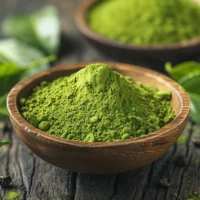
Why these two ingredients get the attention
Most weight-loss formulas lean on caffeine. Green tea and capsaicin (the compound that makes chilli hot) are interesting because they are food-derived, widely consumed, and have a genuine mechanism: both are associated with a small rise in energy expenditure and fat oxidation — the body giving off slightly more heat, known as thermogenesis. That is a real, measurable effect. The honest question is not "does it do anything?" but "how much?"
What the green tea evidence says
Reviews of green tea catechins, often combined with caffeine, generally report a modest effect on body weight and fat oxidation. The key word across this literature is modest: the average differences are small, they are larger in some populations than others, and caffeine appears to do part of the work. Green tea is about the best case this category has — and even here, nobody serious is describing dramatic weight loss from catechins alone.
A useful mental model: green tea might tilt the maths slightly in your favour over months. It does not create a deficit that is not already there.
What the capsaicin evidence says
Capsaicin and related "capsaicinoids" have a comparable story. Studies point to a small bump in energy expenditure and, in some trials, a modest reduction in appetite and calorie intake in the hours after a dose. Again the effect sizes are small and vary between people, and tolerance to the heat can build. It is a plausible helper, not an engine.
What doses the studies actually used
A recurring reason people conclude these ingredients “did nothing” is that they never took the amounts the research used. For green tea, the trials that find an effect generally rely on standardised extract supplying roughly 250 to 500 mg of EGCG a day, usually with caffeine alongside it. A mug of brewed green tea supplies a fraction of that, which is why the drinking-tea version of this advice and the extract version of it are not the same intervention at all.
Capsaicin research is messier, because studies have used everything from ordinary chilli added to a meal to concentrated capsules of capsaicinoids or the milder, non-pungent capsinoids. That variation is one reason the pooled results scatter: the systematic review and meta-analysis of capsaicinoids and thermogenesis in healthy adults pooled 13 placebo-controlled trials and found capsaicinoids raised resting metabolic rate by roughly 34 kcal a day. The practical reading is that dose matters, that the effect ceiling is low regardless, and that no amount of chilli turns a small effect into a large one.
What the combination does, and why it is usually sold together
Green tea and capsaicin are almost never sold separately in this category, and there is a mechanistic reason for it. Both act, at least in part, on the same adrenergic pathway — the norepinephrine signalling that mobilises fat and raises heat production — and caffeine, present in most green tea extracts, reinforces it. The meta-analysis of catechin-rich teas and caffeine by Hursel and colleagues found that the catechin-plus-caffeine combination raised both energy expenditure and fat oxidation, which is the closest thing this category has to a clean, replicated mechanism.
What has not been demonstrated is that stacking them multiplies the result. The individual effects are small and the evidence for a synergy beyond simple addition is thin. Tolerance complicates it further: the caffeine response blunts with daily use, and regular chilli eaters report the heat — and the appetite effect that travels with it — fading over weeks. A combination product is a convenience, not a multiplier.
What the evidence does not show
It is worth being explicit about the claims this literature does not support, because they are the ones used to sell it. There is no evidence that green tea or capsaicin causes weight loss in the absence of a calorie deficit. There is no evidence either one targets abdominal fat, or any other region. There is no evidence that a thermogenic ingredient prevents the drop in energy expenditure that accompanies weight loss. And there is no human evidence supporting the dramatic before-and-after numbers that appear on sales pages for this ingredient class.
The Cochrane review Green tea for weight loss and weight maintenance in overweight or obese adults landed on a small and not clinically important weight change, and green tea is the best-supported ingredient in the group. That is the honest ceiling. Anything promising more is either extrapolating from cell and animal work, quoting a single small trial, or simply making it up.
Common mistakes people make with these ingredients
Four errors account for most disappointment. The first is treating the supplement as the intervention rather than the diet: a thermogenic ingredient added to an unchanged intake changes very little. The second is stacking caffeine sources — a green tea extract on top of coffee, tea and a pre-workout easily pushes total intake into jitteriness and lost sleep, which costs more than the ingredient adds. The third is taking concentrated green tea extract on an empty stomach, which is the pattern most often mentioned in the rare liver-injury case reports.
The fourth is judging too early. These effects are small, cumulative and invisible on a weekly timescale. Anyone deciding after ten days is reading noise. Eight to twelve weeks, with the diet and sleep actually in place, is the shortest honest trial you can run on yourself — and even then, what you are measuring is mostly the diet, with the ingredient contributing at the margin.
Where the numbers land
Put together, the realistic contribution of thermogenic ingredients like these is measured in tens of calories a day, not hundreds. Over weeks that can matter at the margin — but only if the foundation is in place. If the diet is not creating a deficit, a few extra calories of heat production changes nothing you can see on the scale.
Where these two ingredients fit alongside everything else
Green tea and capsaicin are the two best-supported ingredients in this formula, and that says as much about the category's evidence base as it does about them. The dosing, the caffeine pairing and the liver caution for the first are covered in green tea EGCG dosage and safety, and the appetite and tolerance detail for the second is in cayenne pepper for metabolism and appetite.
If you want the arithmetic for the category as a whole — how many calories a day thermogenesis realistically adds, and why that number is smaller than the packaging implies — it is worked through in how thermogenic fat burners actually work. And if you are choosing between ingredient families rather than within one, berberine versus green tea for weight loss compares the two pooled evidence bases directly.
The honest bottom line
Green tea and capsaicin are the ingredients in LipoPeak with the most credible evidence, and that evidence supports a small supporting role. That is genuinely different from raspberry ketones, where human data is essentially absent. If you buy LipoPeak, buy it as a minor nudge alongside the things that actually move weight — a sustained calorie deficit, movement and sleep — and give it 8 to 12 weeks before judging. A supplement that helps a little is worth having in perspective; a supplement sold as a cure is worth walking away from.
Sources
- NIH Office of Dietary Supplements — Dietary Supplements for Weight Loss
- NIH NCCIH — Green Tea: Usefulness and Safety
- Jurgens TM, et al. Green tea for weight loss and weight maintenance in overweight or obese adults. Cochrane Database Syst Rev. 2012. PMID 23235664
- Ludy MJ, et al. The effects of capsaicin and capsiate on energy balance: critical review and meta-analyses of studies in humans. Chem Senses. 2012. PMID 22038945
- Irandoost P, et al. The effect of Capsaicinoids or Capsinoids in red pepper on thermogenesis in healthy adults: A systematic review and meta-analysis. Phytother Res. 2021. PMID 33063385
- Hursel R, et al. The effects of catechin rich teas and caffeine on energy expenditure and fat oxidation: a meta-analysis. Obes Rev. 2011. PMID 21366839
Frequently asked questions
How much weight can green tea and capsaicin actually help you lose?
Only modestly. Reviews of green tea catechins and capsaicin report small increases in energy expenditure and fat oxidation, on the order of tens of calories a day rather than hundreds. Over weeks that can matter at the margin, but only when a calorie deficit is already in place. Neither ingredient creates weight loss on its own.
Does capsaicin really suppress appetite?
Some trials suggest capsaicin can slightly reduce appetite and calorie intake in the hours after a dose, alongside a small bump in energy expenditure. The effect is modest and varies between people, and tolerance to the heat tends to build with regular use. Treat it as a minor helper for appetite, not a reliable suppressant.
Do you build tolerance to green tea and capsaicin?
Yes, to a degree. Tolerance to the caffeine that accompanies green tea catechins builds over time, blunting the stimulant and thermogenic effect, and regular capsaicin users often find the heat and its appetite effect fade. This is one reason the real-world contribution stays small, and why these ingredients work best as part of a broader routine rather than alone.
Are green tea and capsaicin supplements safe?
For most healthy adults, culinary amounts of green tea and capsaicin are well tolerated. Concentrated extracts are different: high-dose green tea extract carries caffeine that can cause jitters or sleep problems and has rare liver-related cautions, while capsaicin can irritate the stomach. Speak to a healthcare professional before starting if you are pregnant, nursing, or taking medication.
See the full LipoPeak review
The complete ingredient breakdown, the honest limitations, and today's pricing.
Get Offer