Green Tea EGCG: Dosage, Benefits and Safety
EGCG is the headline catechin in green tea, and paired with caffeine it has some of the better evidence in the fat-loss ingredient world. That is not the same as strong evidence. Here is how much to take, what caffeine adds, why decaf is a trade-off, and the liver-safety caution worth knowing.
Published 9 August 2026 · By the LipoPeak Editorial Team · Reviewed against the primary nutrition literature · General information, not medical advice.
How much EGCG should I take for weight loss?
Most studies showing a small effect used green tea extract supplying about 250 to 500 mg of EGCG per day, usually with caffeine. That is far more than a cup of brewed tea. Split higher doses across the day, take them with food, and do not push past that range — the effect on fat loss is modest either way.
- Effective study doses cluster around 250 to 500 mg EGCG daily.
- Caffeine does much of the thermogenic work alongside EGCG.
- Very high extract doses raise liver-safety concerns.
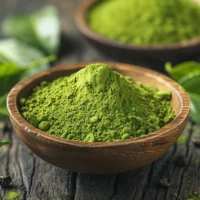
What EGCG is and how it may help
Green tea contains a family of plant compounds called catechins, and the most abundant and studied is epigallocatechin gallate, or EGCG. The mechanism people care about for weight management is fat oxidation: EGCG appears to slow the breakdown of norepinephrine, a signaling molecule that promotes fat mobilization. By letting norepinephrine linger a little longer, catechins can nudge the body toward burning slightly more fat, especially when combined with caffeine, which independently stimulates the same system.
This is a genuine, food-derived mechanism, which is part of why green tea has better standing than many ingredients in this category. But the effect on actual body weight in trials is best described as small. The catechins tilt the maths slightly; they do not rewrite it.
The dose that matters
When studies find a measurable effect, they typically use green tea extract standardized to deliver roughly 250 to 500 mg of EGCG per day, often divided into two doses and frequently combined with caffeine. It helps to understand how far that is from a mug of tea: a cup of brewed green tea might supply somewhere in the region of 50 to 100 mg of EGCG, and the amount varies widely with the tea and how it is brewed. Getting into the studied range through drinking alone would mean several cups a day, which is one reason concentrated extracts exist.
The practical dosing rule is simple: aim for the studied range, take it with food, and resist the temptation to assume more is better. Above that range the risk profile changes faster than the benefit.
Why caffeine is part of the picture
Much of the fat-oxidation and small energy-expenditure effect seen in green tea research comes from the combination of catechins and caffeine, not EGCG in isolation. The two appear to work synergistically on the norepinephrine pathway. This matters for two practical reasons. First, if a product pairs green tea extract with caffeine — as many do, LipoPeak included — that is a mechanistically sensible combination, not just a stimulant tacked on. Second, it means the caffeine content of your extract is not incidental; it is part of why it works, and part of how it can cause side effects.
The decaf trade-off
Decaffeinated green tea extract exists for good reasons. If you are sensitive to stimulants, take your supplement late in the day, or simply already get plenty of caffeine, a decaf extract lets you get the catechins without the jitters or the sleep disruption. The honest trade-off is potency: because caffeine does part of the thermogenic work, removing it usually removes part of the effect. Decaf green tea extract is not useless — catechins have effects of their own — but it is generally the less potent option for fat oxidation. Choose it when tolerance or timing matters more to you than squeezing out the last bit of effect.
The liver-safety caution
This is the part that deserves genuine attention. Drinking green tea is considered safe for the liver for essentially everyone. Concentrated green tea extract is a different story. Regulatory and safety bodies have documented rare but real cases of liver injury linked to high-dose green tea extract supplements. The risk appears higher with very high doses and when the extract is taken on an empty stomach, which speeds absorption of the catechins.
The practical precautions are straightforward. Stay within typical label and studied doses rather than stacking multiple extract products. Take green tea extract with food, not fasted. Be cautious combining several catechin-containing supplements at once. And know the warning signs of liver trouble — unusual fatigue, abdominal pain, dark urine, or yellowing of the skin or eyes — and stop and seek medical advice if they appear. This is not a reason to fear green tea; it is a reason to respect concentrated extracts.
How to read a supplement label
Labels can obscure as much as they reveal, so a few habits help. First, look for the actual EGCG amount, not just the total "green tea extract" figure. A product might list 500 mg of extract while delivering far less EGCG, depending on how the extract is standardized; the useful number is the standardized catechin or EGCG content. Second, check the caffeine content and add it to everything else you consume in a day — coffee, tea, pre-workout, other supplements — so you do not accidentally overshoot. Third, be wary of proprietary blends that hide individual doses behind a single combined weight, since you cannot judge whether the EGCG is in the studied range.
For a liquid or combination formula like LipoPeak, the same logic applies: what matters is whether the catechin and caffeine amounts sit in sensible territory and how they fit with the rest of your day, not the marketing on the front of the bottle.
Setting honest expectations
Put the pieces together and the picture is consistent. EGCG plus caffeine has a real mechanism and some of the better human data in the fat-loss ingredient space, yet the effect size on body weight is modest — a small tilt, measured over months, that only shows up when the foundations are in place. It burns a little fat even without exercise, but "a little" is doing real work in that sentence: without a calorie deficit, you will not see it on the scale.
If you use green tea extract, whether on its own or inside a formula like LipoPeak, treat it as a minor, sensible nudge. Get the dose into the studied range, take it with food, mind your total caffeine, and give it 8 to 12 weeks alongside the things that actually drive weight change — a sustained calorie deficit, movement and sleep — before deciding what it is worth to you.
What the dosing evidence supports
The clearest support for the mechanism comes from the meta-analysis of catechin-rich teas and caffeine by Hursel and colleagues, which found that catechins together with caffeine increase energy expenditure and fat oxidation. That is the reason the studied preparations are usually caffeinated, and the reason a decaffeinated extract is a genuine trade-off rather than a free choice. The effect is consistent enough to be believable and small enough that it will never be the headline of your results.
On the outcome that people actually care about, the Cochrane review Green tea for weight loss and weight maintenance in overweight or obese adults found only a small, not clinically important, effect on weight. Read together, the two findings describe a real physiological lever attached to a modest practical result. The safety literature is where the dose ceiling comes from: the NIH LiverTox monograph on green tea extract and hepatotoxicity documents rare cases of liver injury associated with high-dose extracts, which is why “more” is the wrong instinct here.
Stay inside the studied range, take it with food, and count every source of caffeine in your day. The wider evidence for green tea alongside its usual partner ingredient is in green tea and capsaicin for weight loss, the caffeine arithmetic is in the caffeine and fat oxidation dosage guide, and the warning signs worth knowing are listed in the fat burner side effects and safety checklist.
Sources
- NIH NCCIH — Green Tea: Usefulness and Safety
- NIH Office of Dietary Supplements — Dietary Supplements for Weight Loss
- LiverTox — Green Tea Extract and Hepatotoxicity
- Hursel R, et al. The effects of catechin rich teas and caffeine on energy expenditure and fat oxidation: a meta-analysis. Obes Rev. 2011. PMID 21366839
Frequently asked questions
How much EGCG should I take for weight loss?
Most studies showing a small effect used green tea extract providing roughly 250 to 500 mg of EGCG per day, often paired with caffeine. That is far more than you would get from a single cup of brewed tea. Doses at the top of that range are best split across the day and taken with food, and there is no strong reason to push beyond it.
Is green tea extract safe for the liver?
Drinking green tea is considered safe for the liver for almost everyone. Concentrated green tea extract is different: rare cases of liver injury have been linked to high-dose extracts, especially when taken on an empty stomach. Staying within typical label doses, taking it with food, and stopping if you notice symptoms like dark urine or yellowing skin are sensible precautions.
Should I choose decaf green tea extract?
Decaf green tea extract is a reasonable choice if you are sensitive to stimulants or take it late in the day, but it tends to be less potent for fat loss. Much of the modest thermogenic effect in studies comes from caffeine working alongside EGCG, so removing the caffeine usually removes part of the benefit. It is a trade-off between tolerance and effect.
Does green tea burn fat without exercise?
Only slightly. Green tea catechins and caffeine can produce a small rise in fat oxidation and energy use even at rest, but the amount is minor, measured in tens of calories a day. Without a calorie deficit it will not produce visible weight loss. The effect is larger and more useful when combined with exercise and a controlled diet.
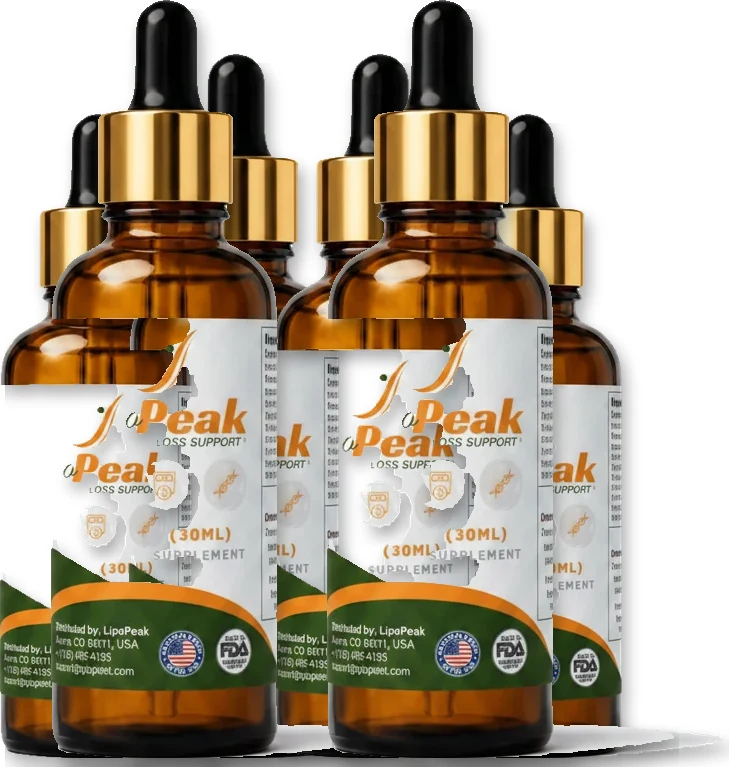
See the full LipoPeak review
The complete ingredient breakdown, the honest limitations, and today's pricing.
Get Offer